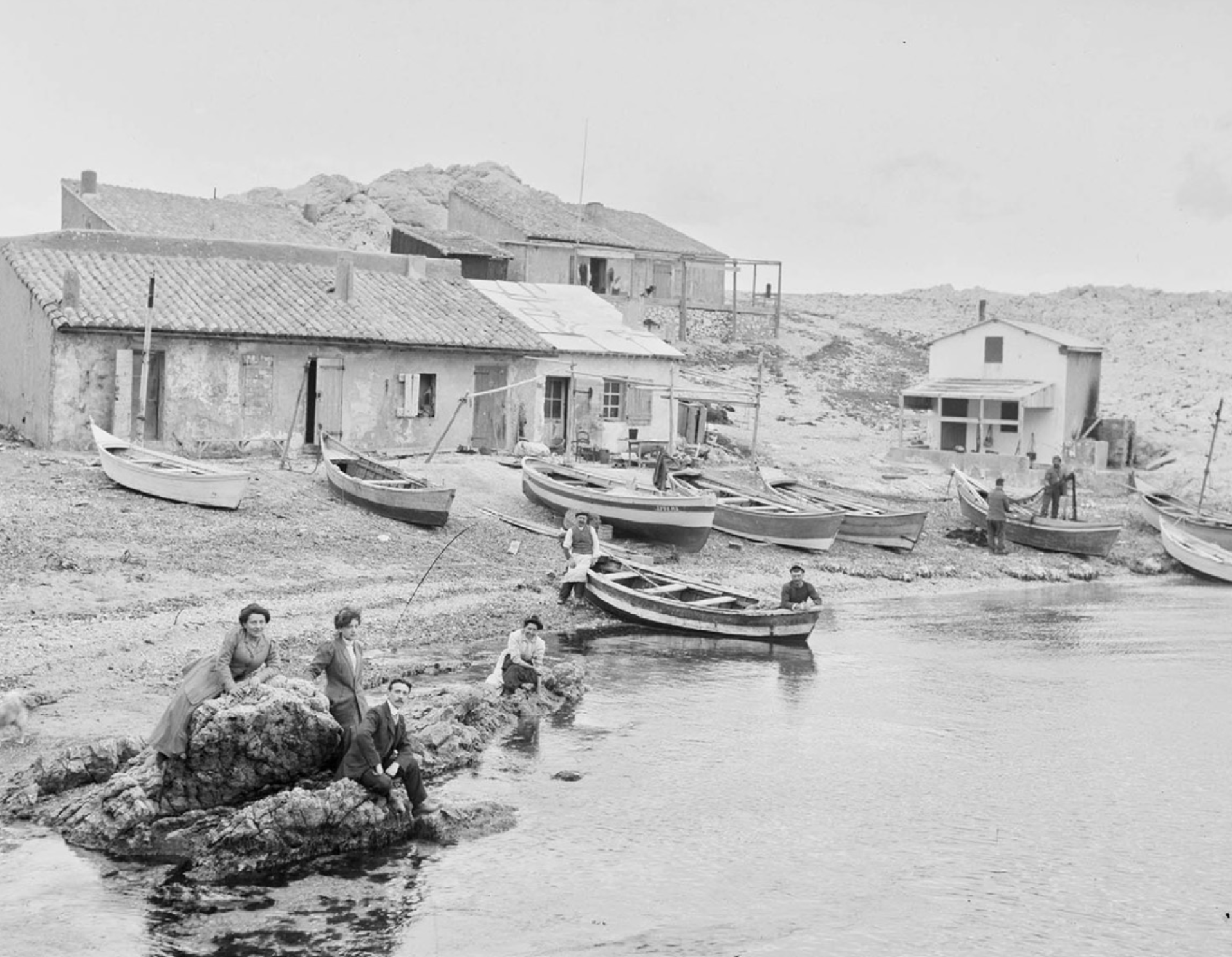
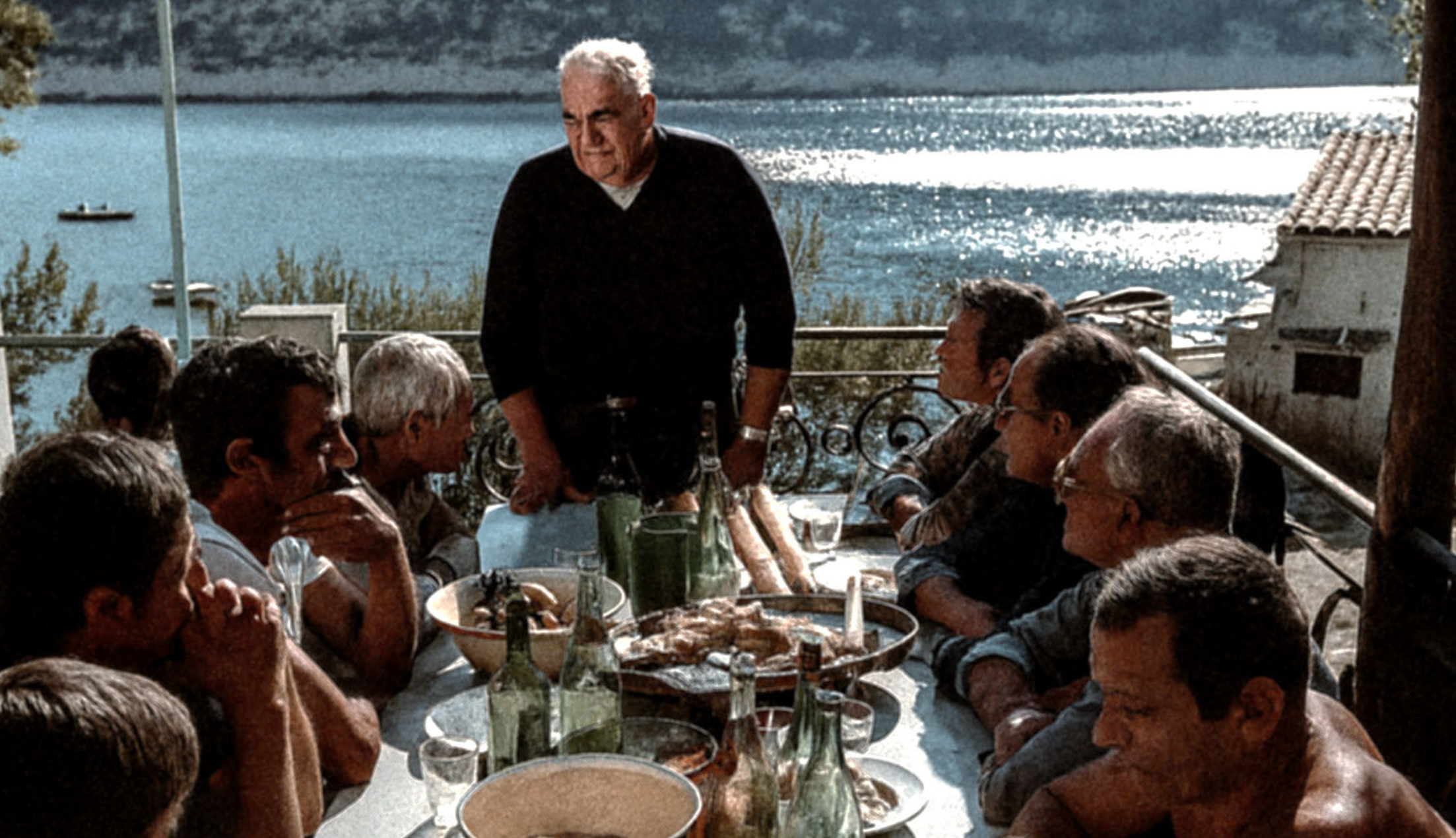
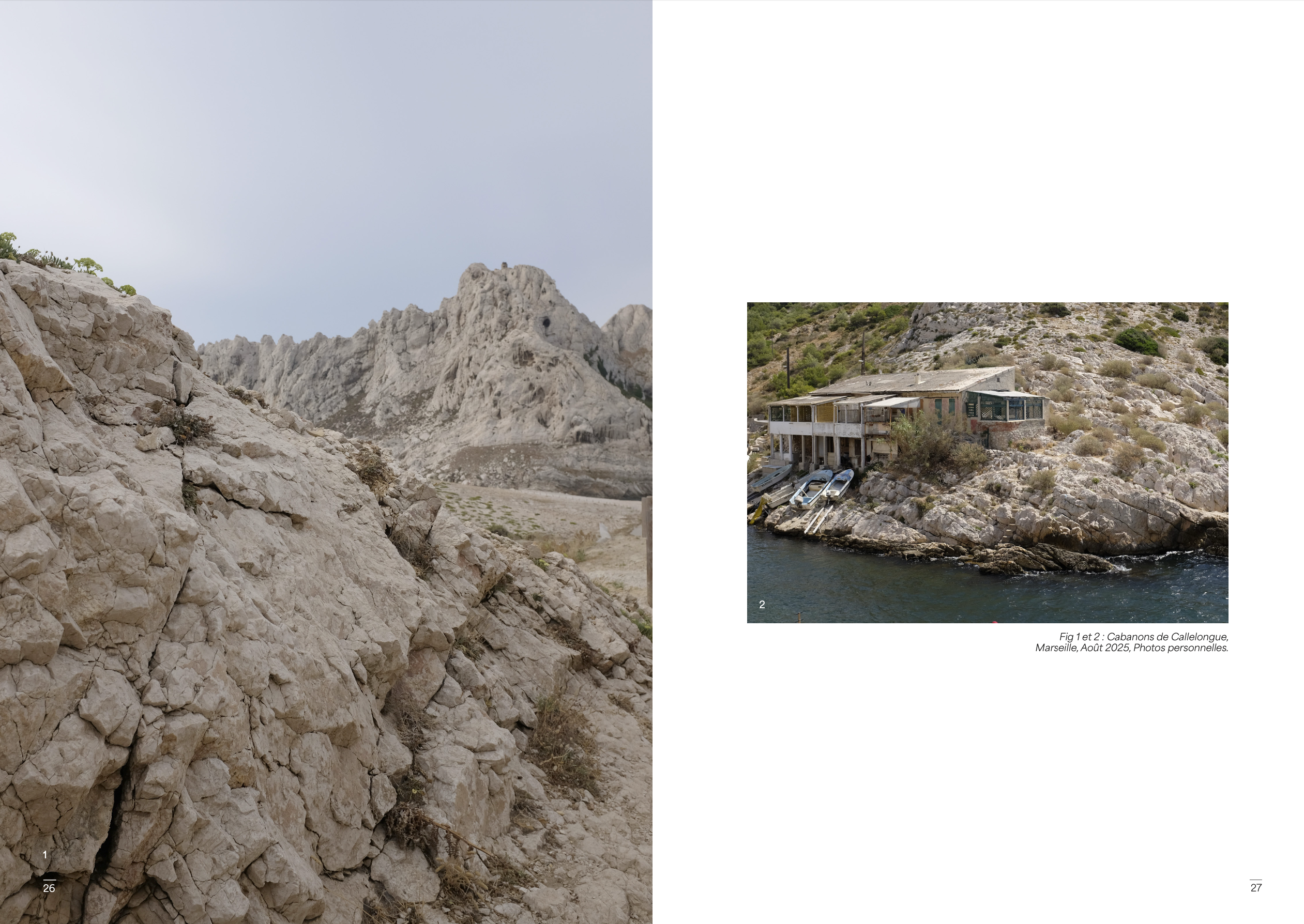
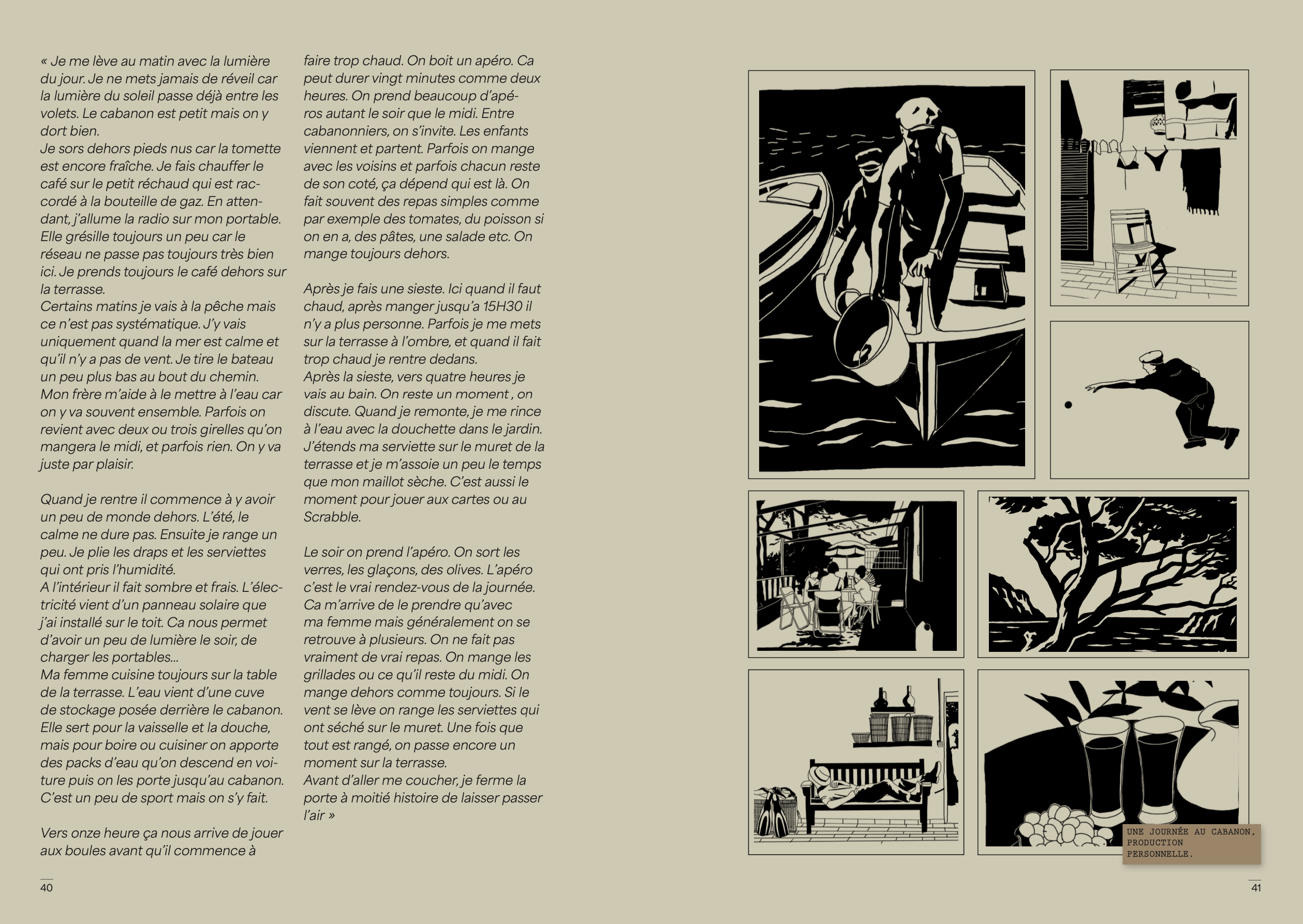
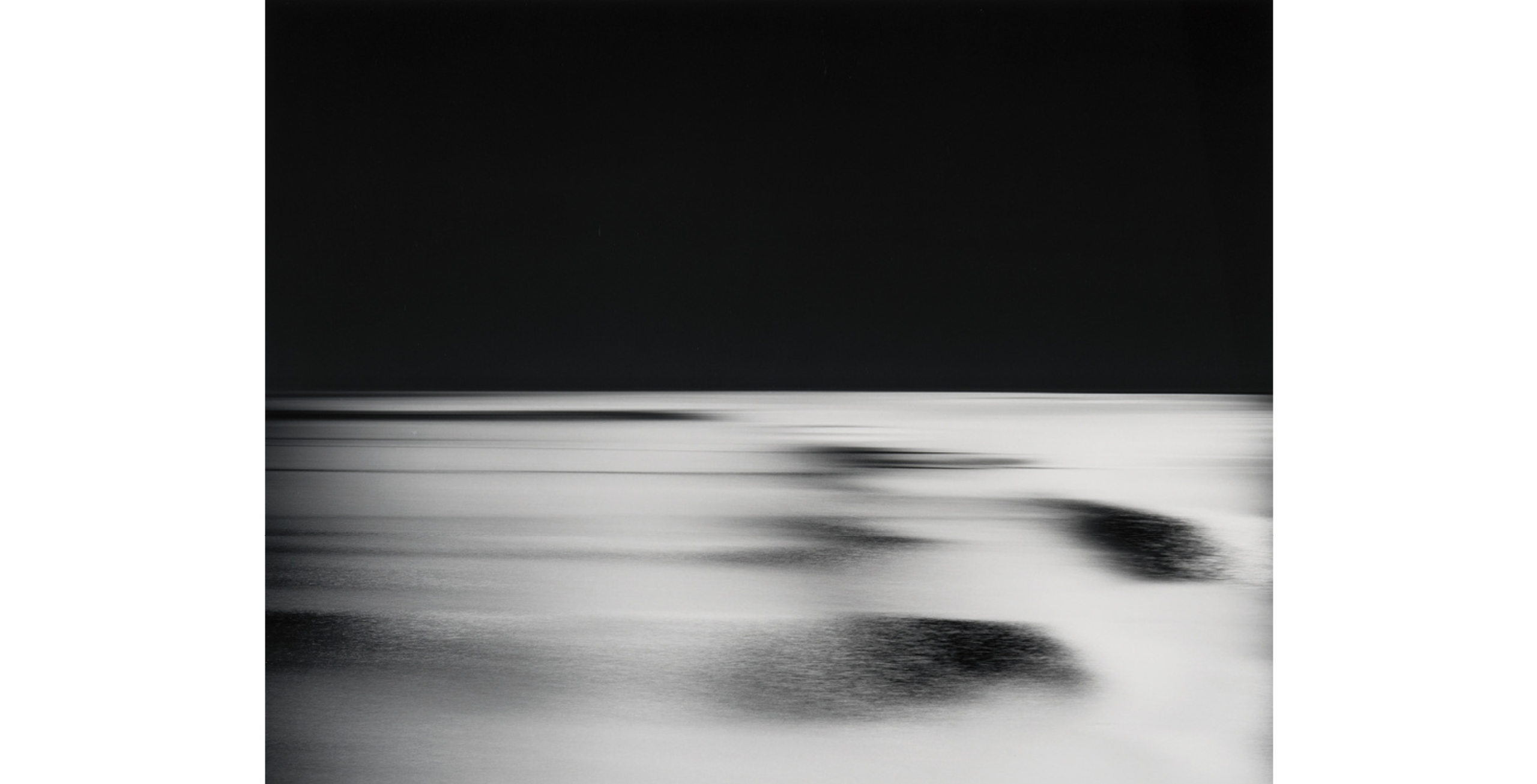
The Marseille cabanon, or cabin, occupies a unique place in the Mediterranean coastal landscape. As an heir to fishermen’s shelters and workers' practices in the nineteenth century, it has gradually transformed into a popular holiday space, while retaining a strong symbolic and social burden. The cabanon is neither fully part of the residence nor a simple shelter: it constitutes a space between the two, one which is architectural, social and territorial.
This dissertation proposes analysing the Marseille cabanon as architecture of the space, revealing the tensions Marseille coastline is currently experiencing.