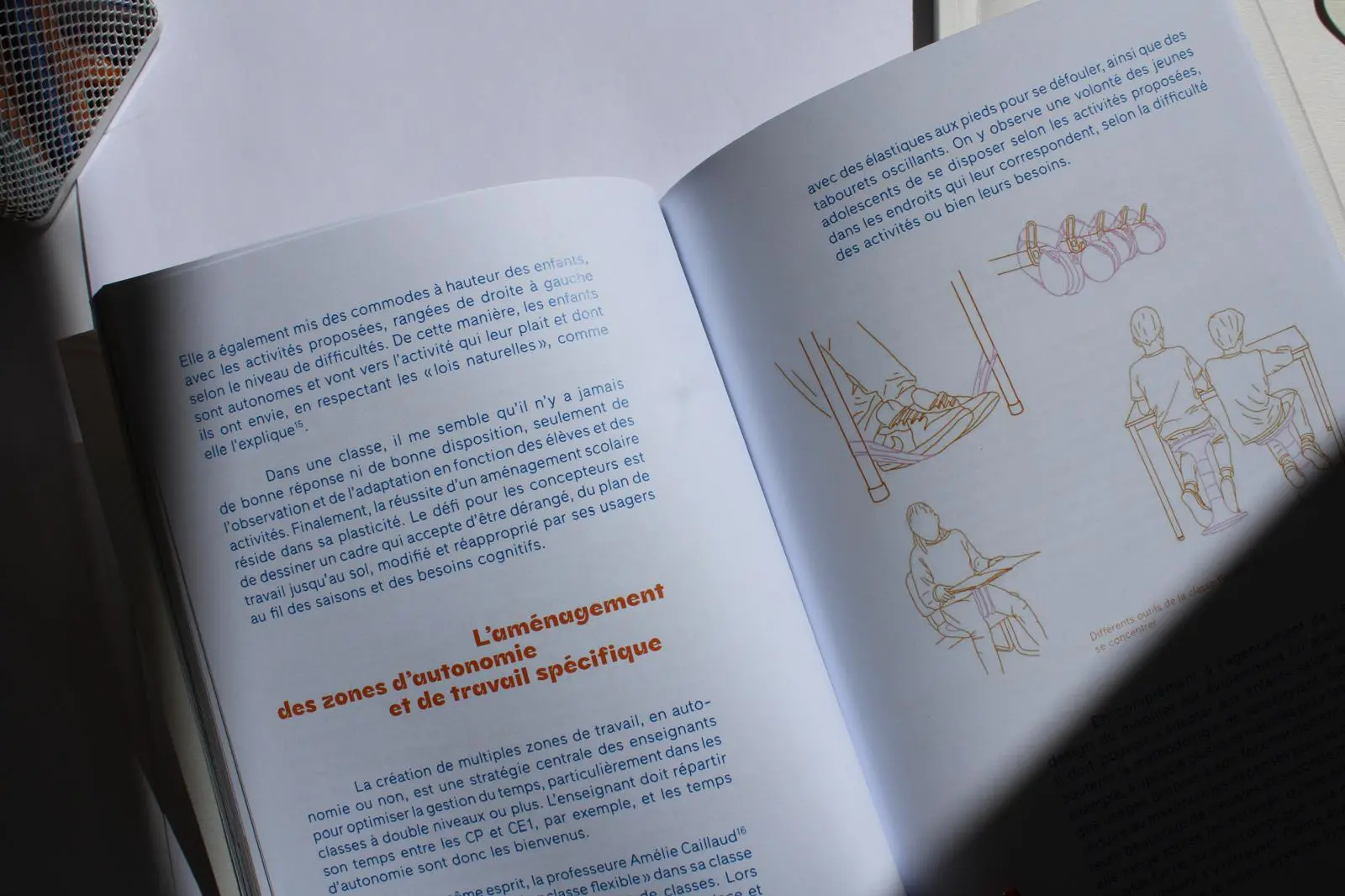
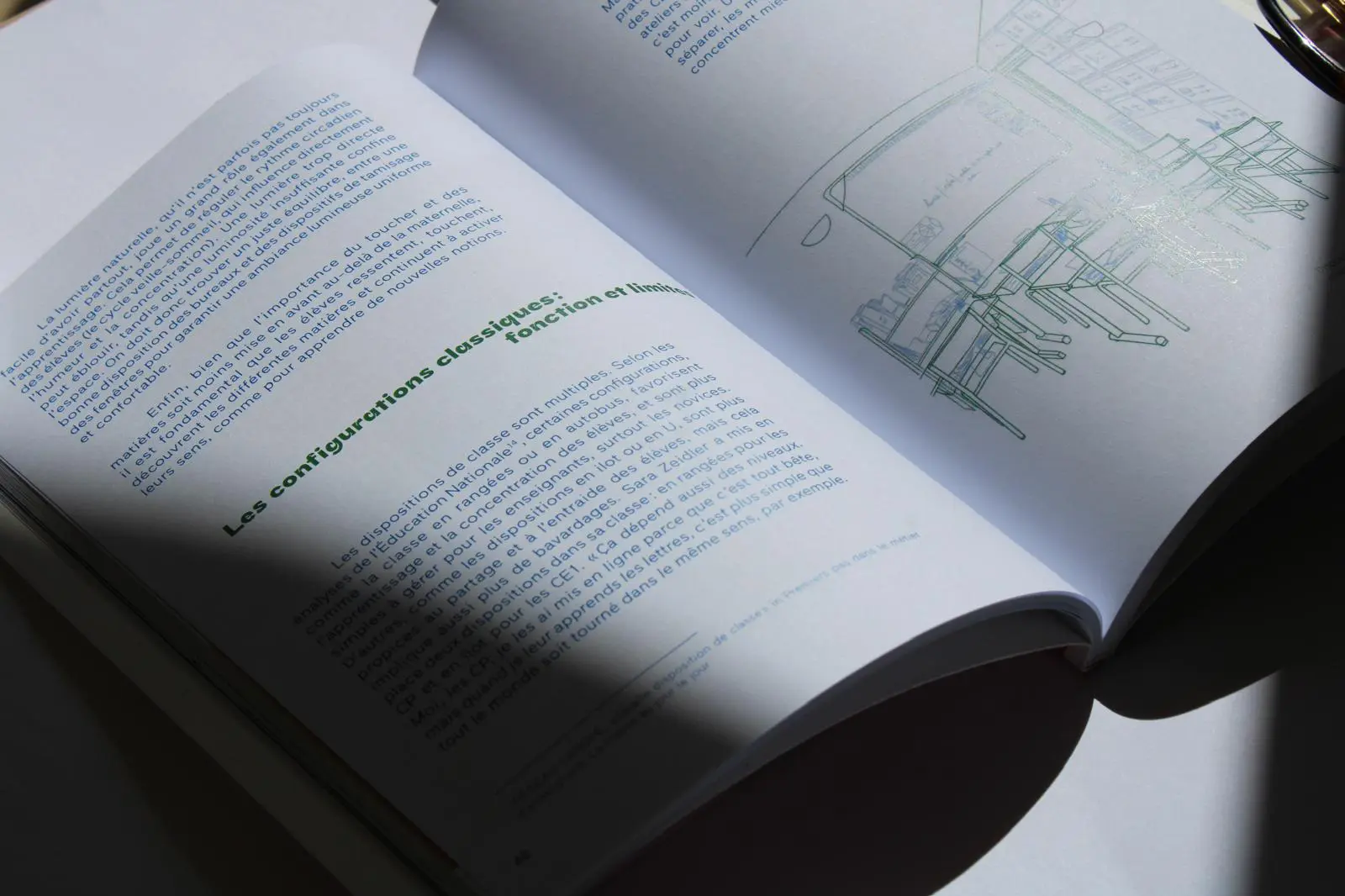
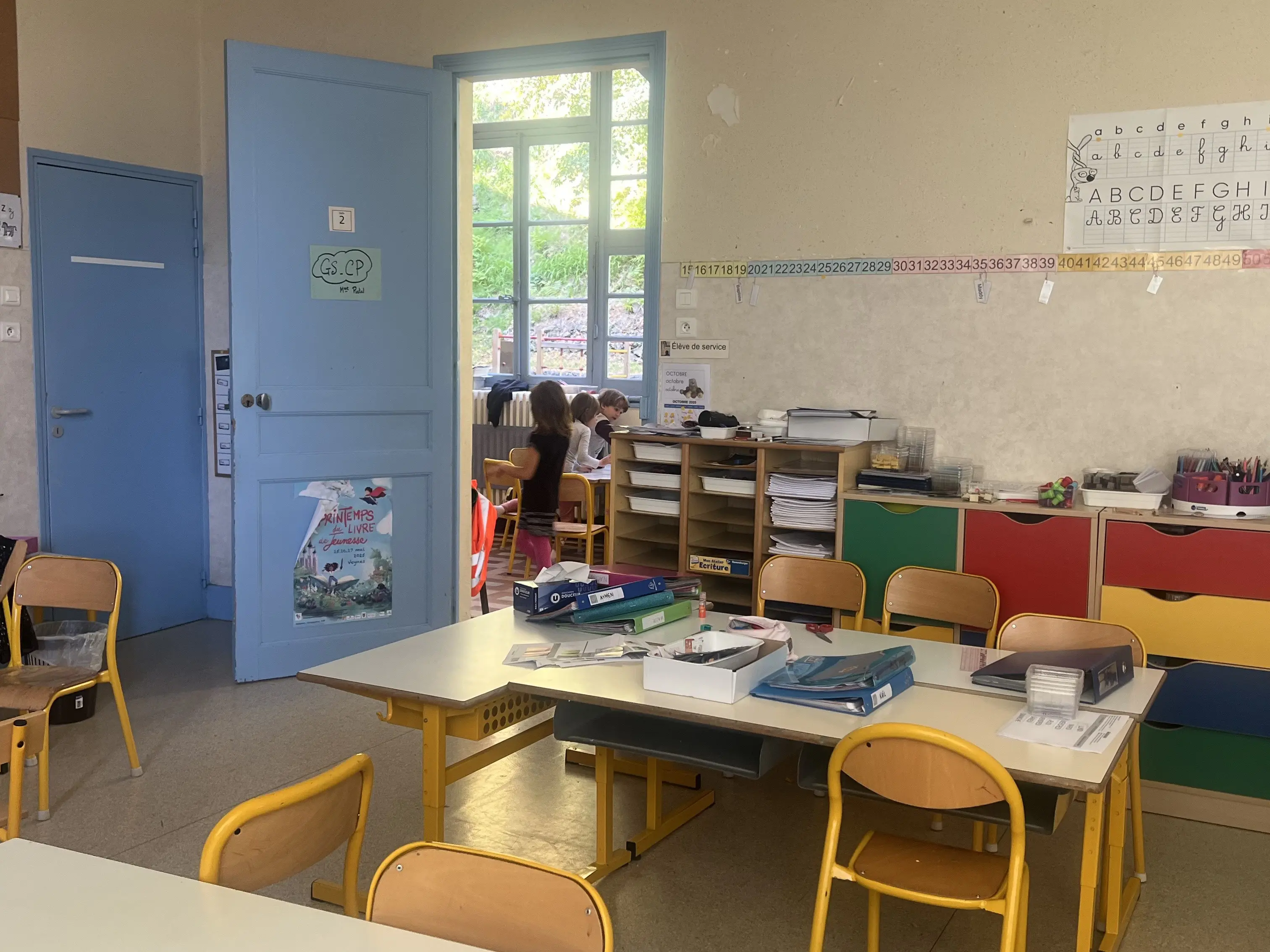
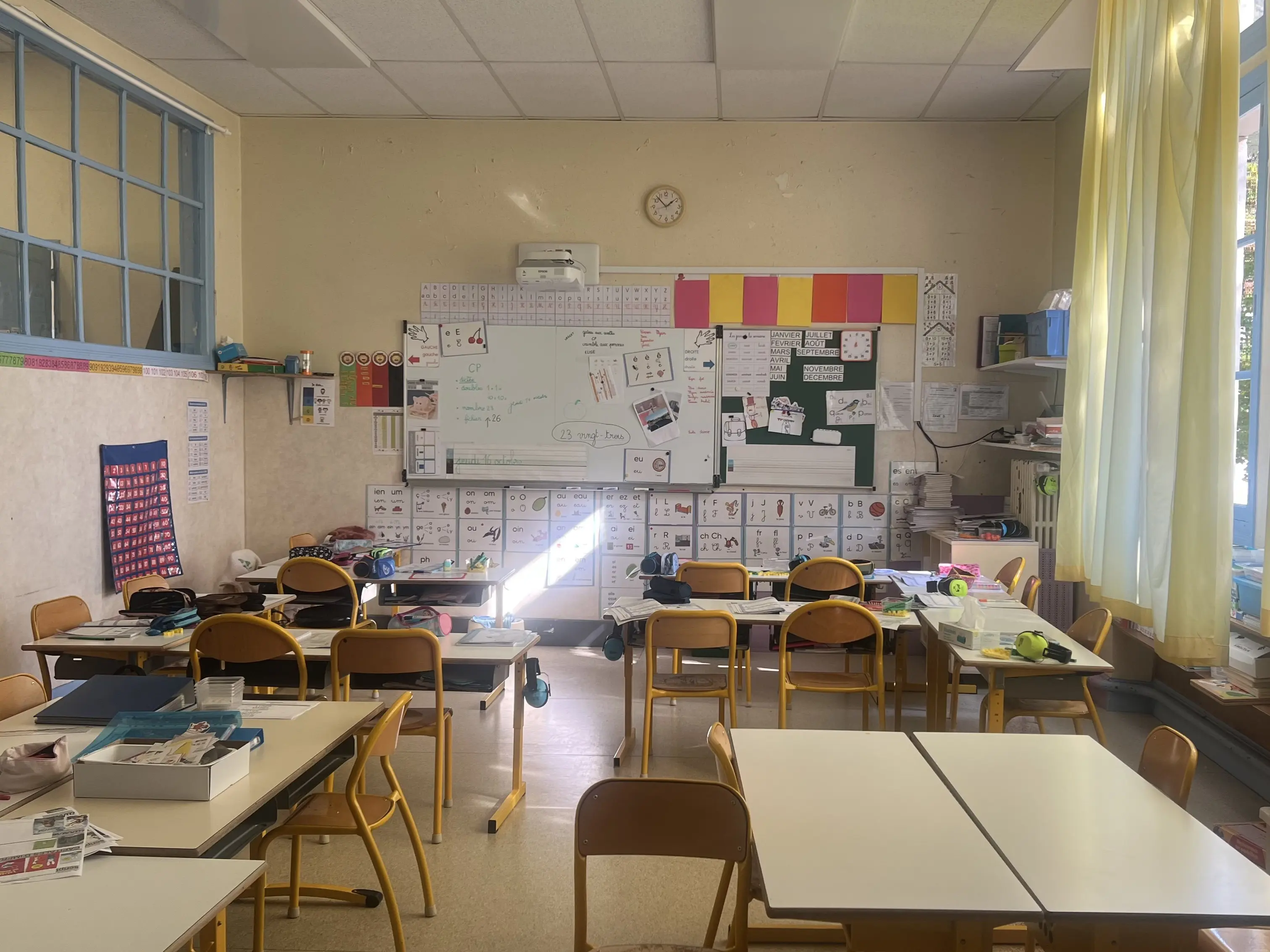
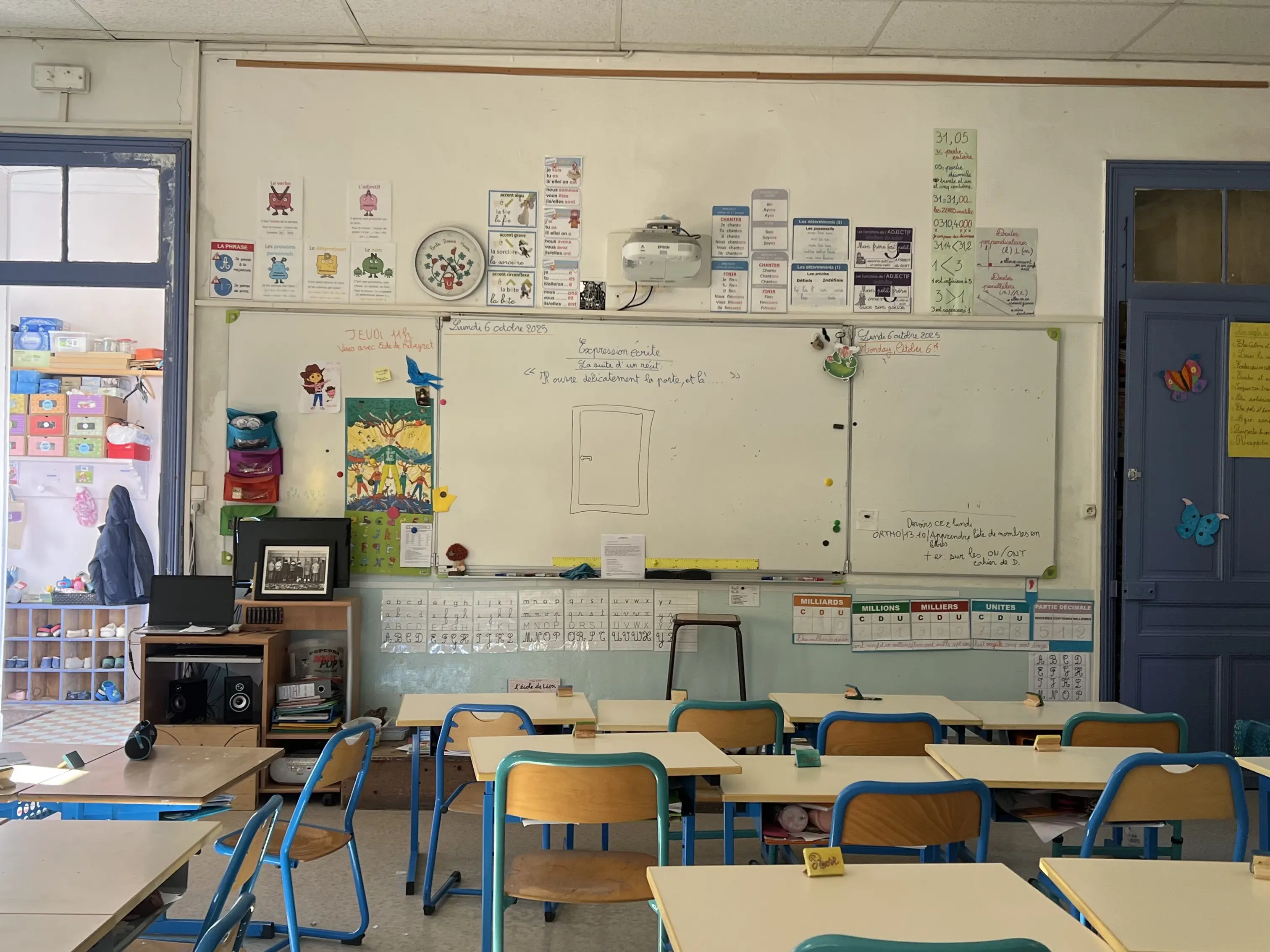
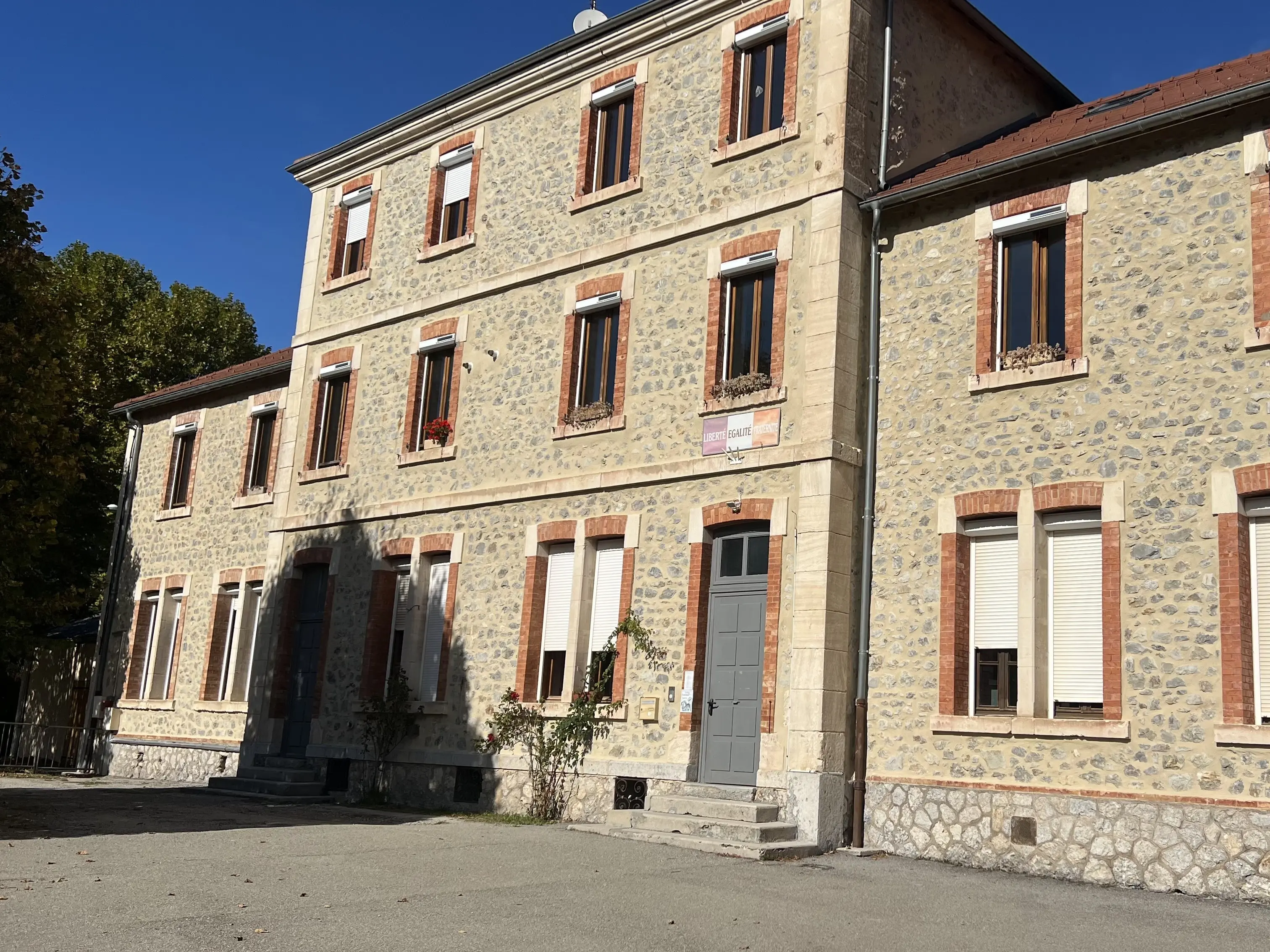
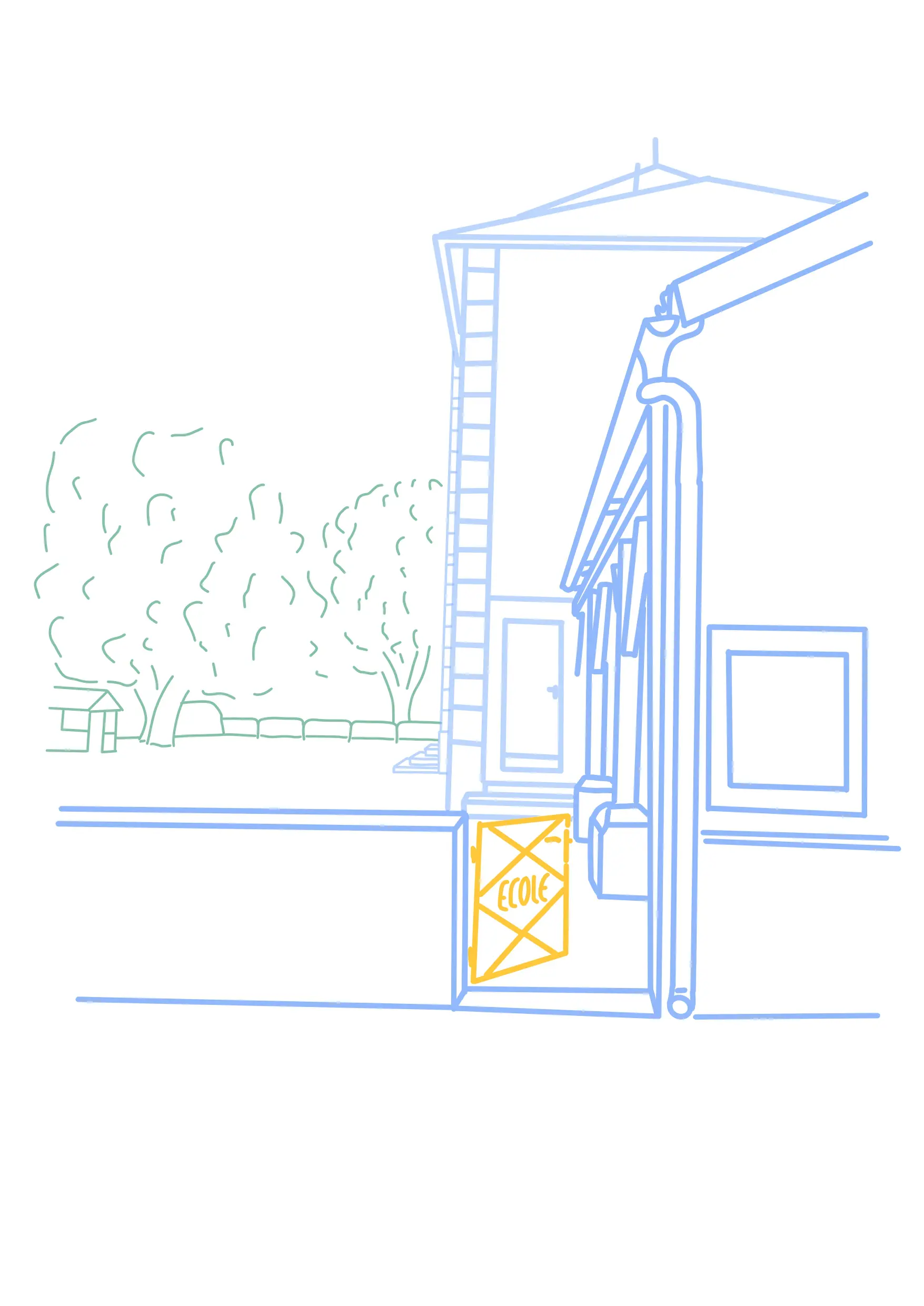
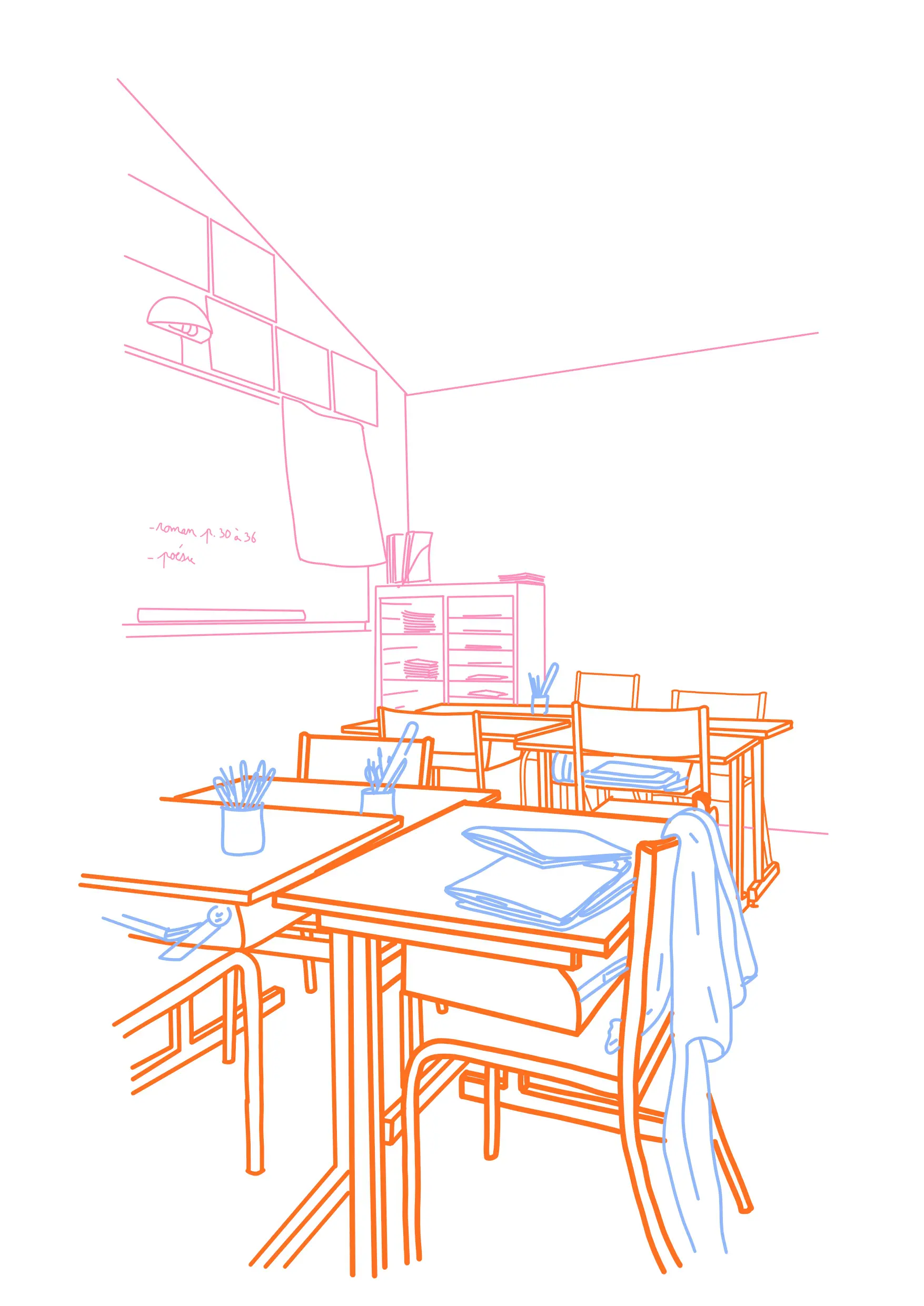
Through this dissertation, I question how primary school spaces influence the acquisition of basic skills. In years 2 to 3, a pivotal stage where learning becomes more static, the influence of space is crucial. I analyse it according to three interdependent dimensions: space designed, perceived and experienced. The study of varied educational models puts these spatial designs into perspective, showing that the main issue remains the emphasis on the child’s needs. The future of school design is not in standardisation but in hybridisation: understanding the pupils' needs, observing their dynamics and working with pedagogy to serve the well-being and independence of children.