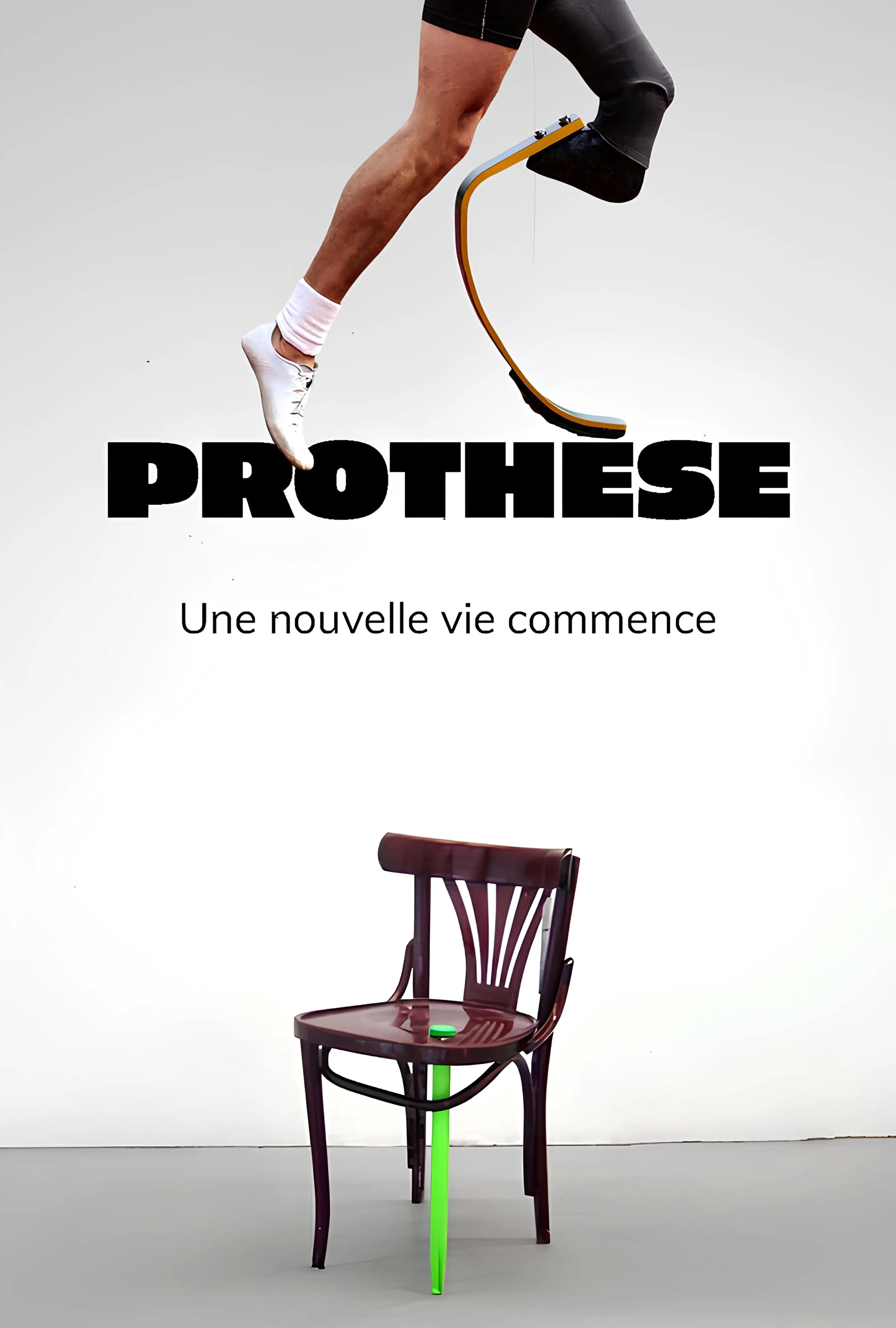
Today, the means implemented to repair the human body have become remarkably sophisticated. They have developed over time to meet amputees' functional, aesthetic and psychological needs with ever greater precision. This observation comes into play with our relationship to objects, which are mostly designed to be replaced. The logic of replacing something with a new one outweighs that of repairing it. The analysis of this dissertation lies in this space, between the care the body receives and objects being neglected.
Long assigned to the medical field, the prosthesis is not just a substitute object, but a repair concept in its own right. What happens when designers take it on?