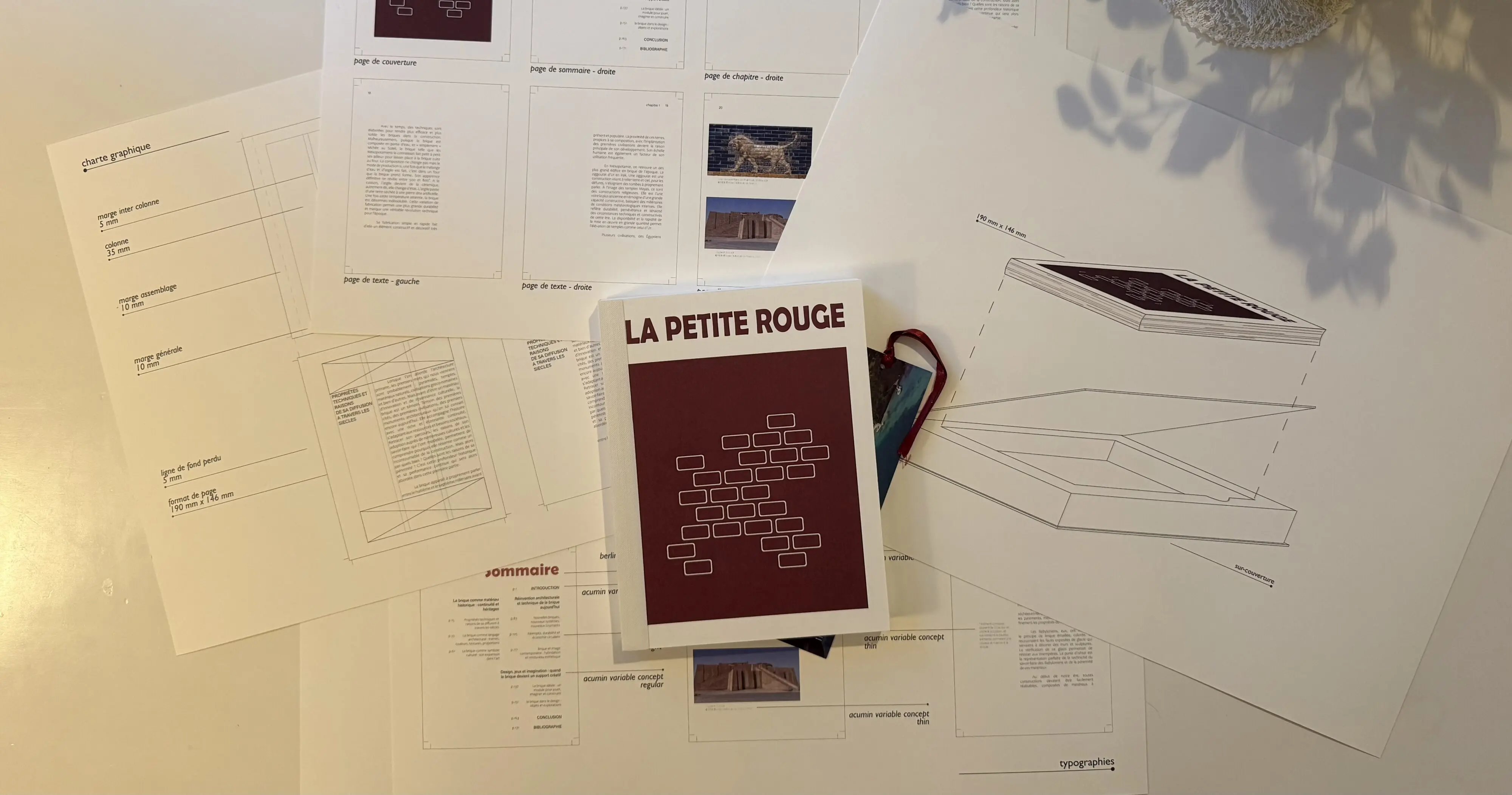
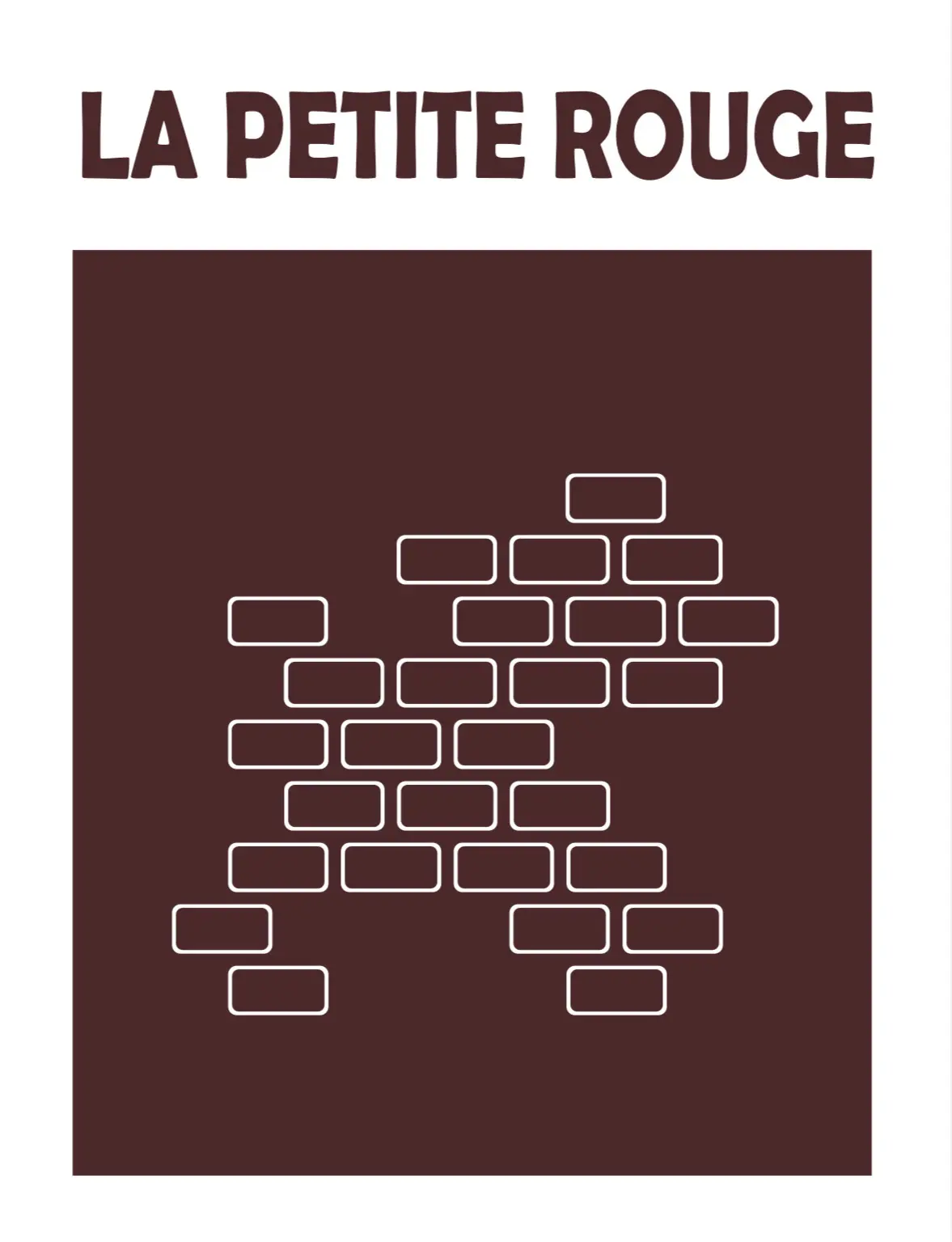
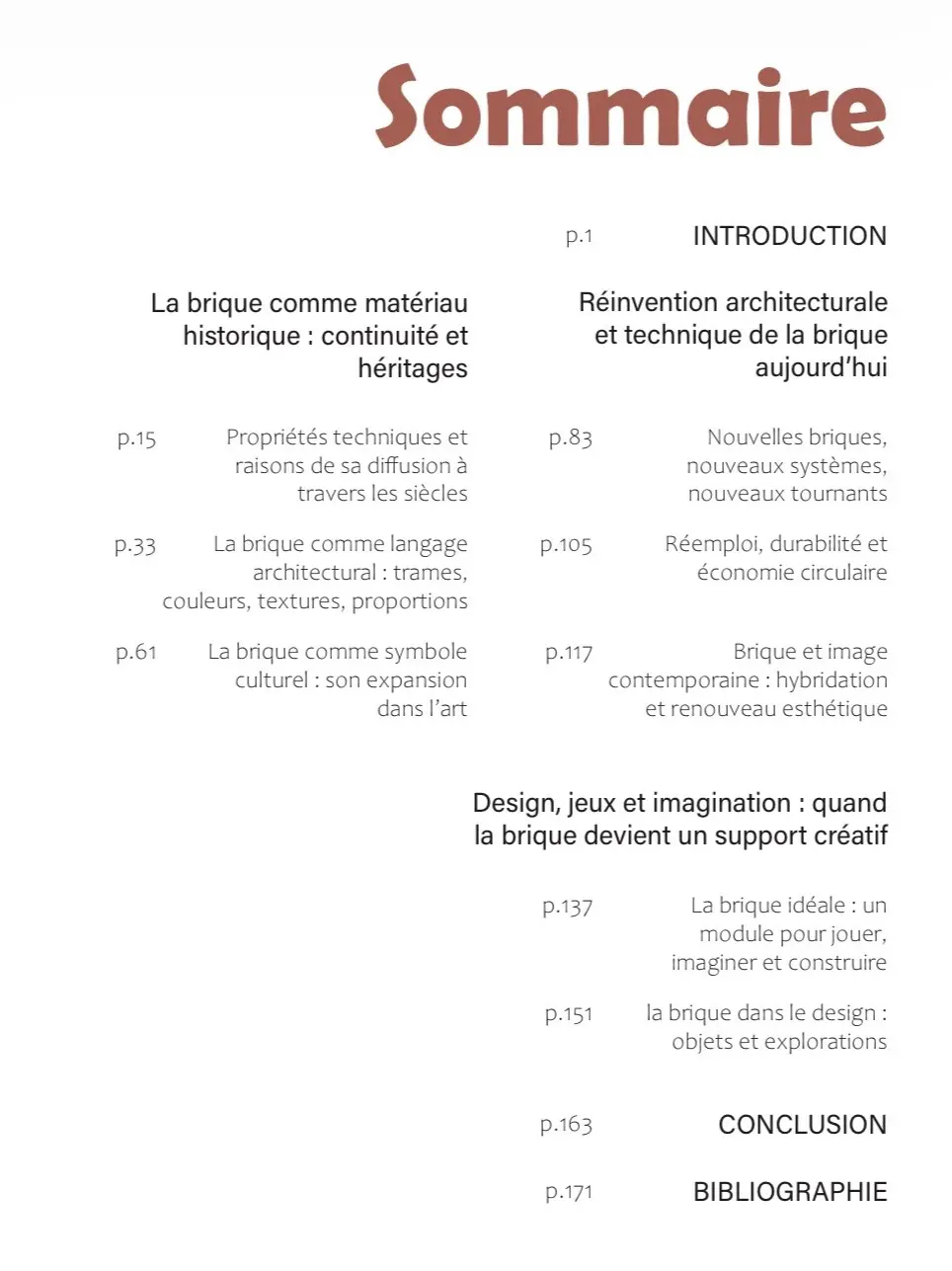
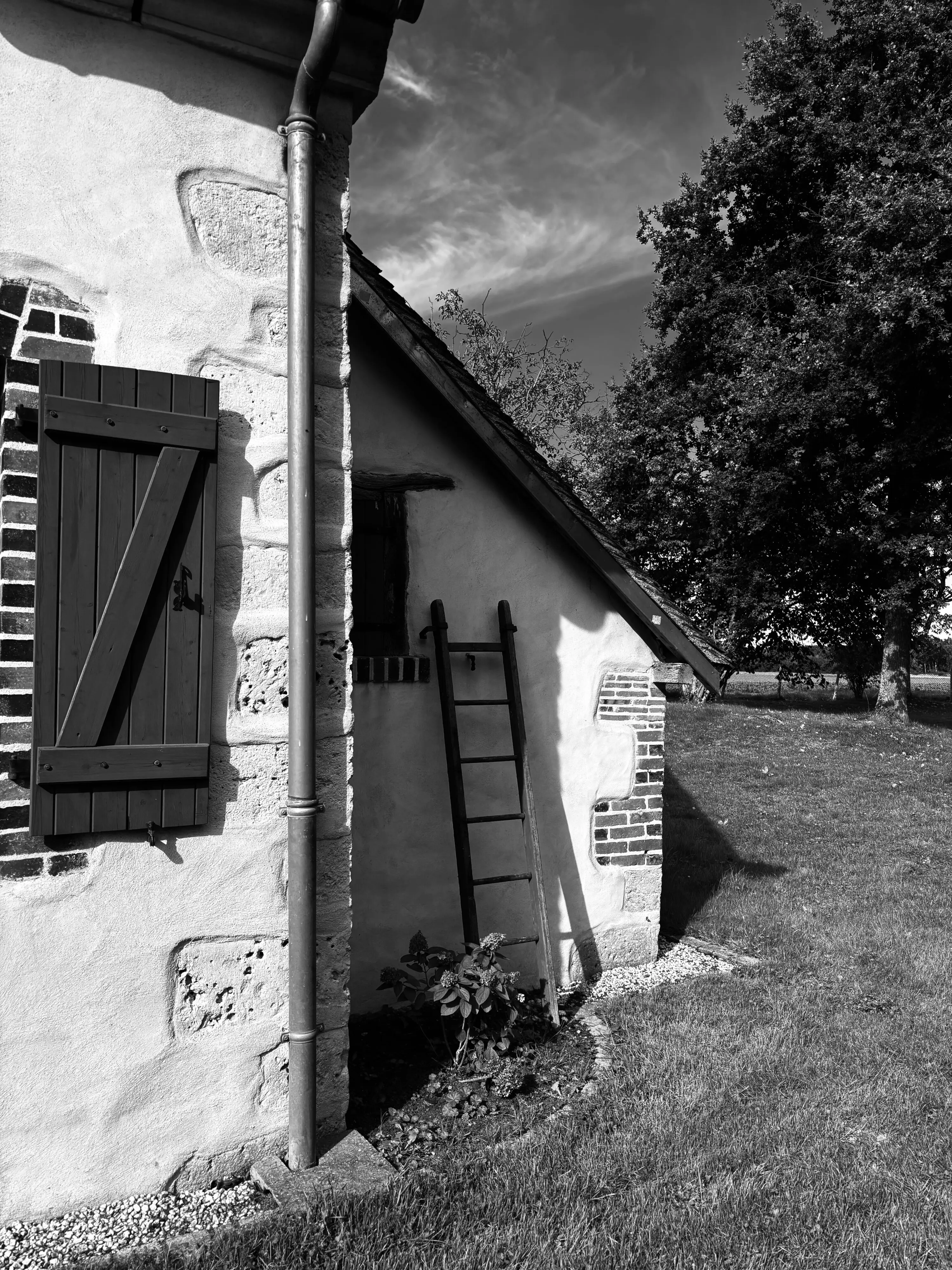
Brick is an ancestral material made from earth that has come through the ages while continuing to be relevant. This dissertation questions the reasons for this longevity by approaching brick not only as a building material, but as a fundamental modular archetype. From its first artisanal forms to its contemporary reinterpretations, it structures architecture through repetition, assembly and proportion, while nurturing a strong collective imagination. Through the study of architectural projects, economic and ecological approaches, technical innovations and creative uses, this work shows how brick expresses heritage and innovation. Its modularity thus appears to be a tool for thinking and creating, capable of lying across disciplines, scales and temporalities.