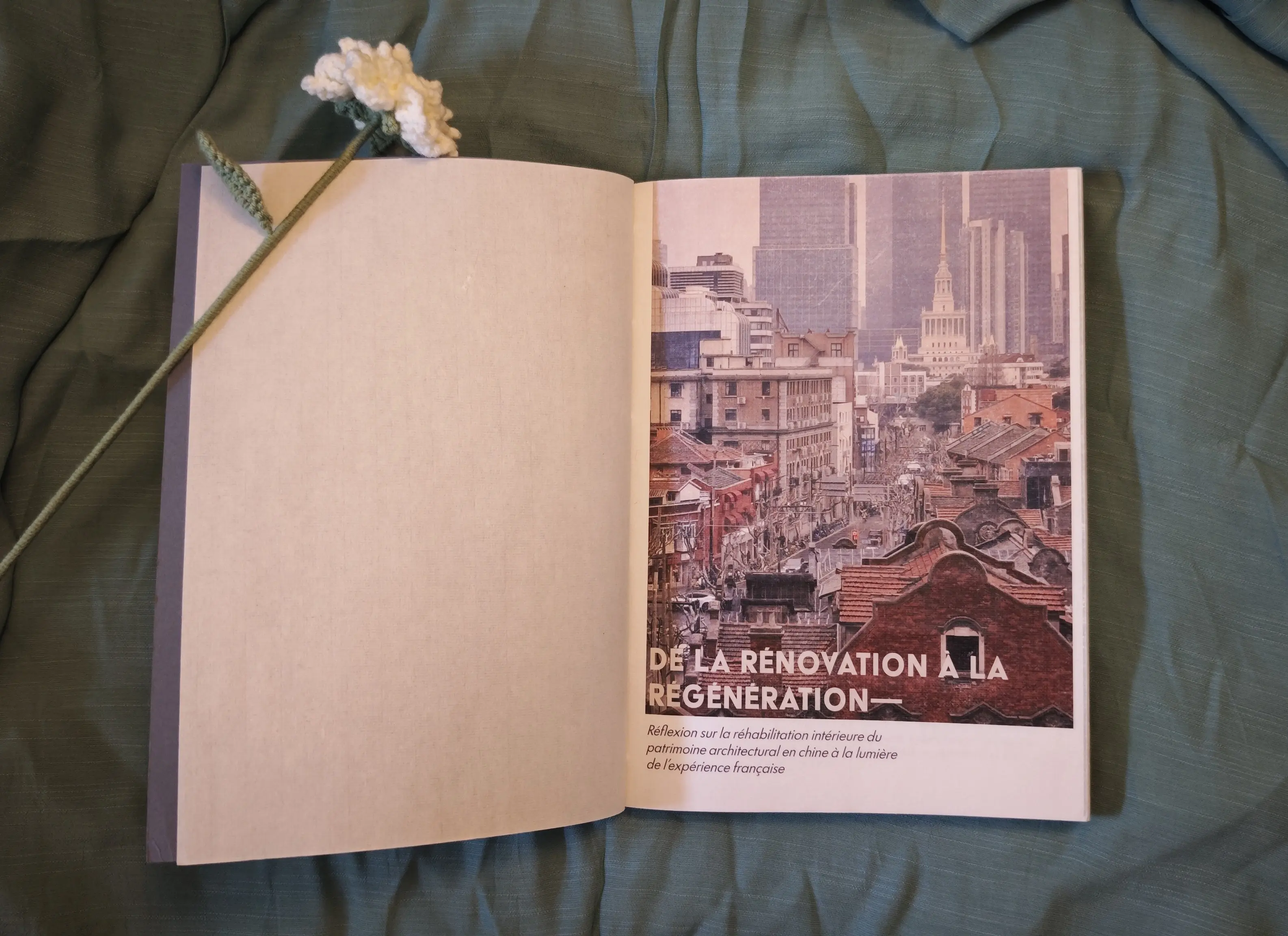
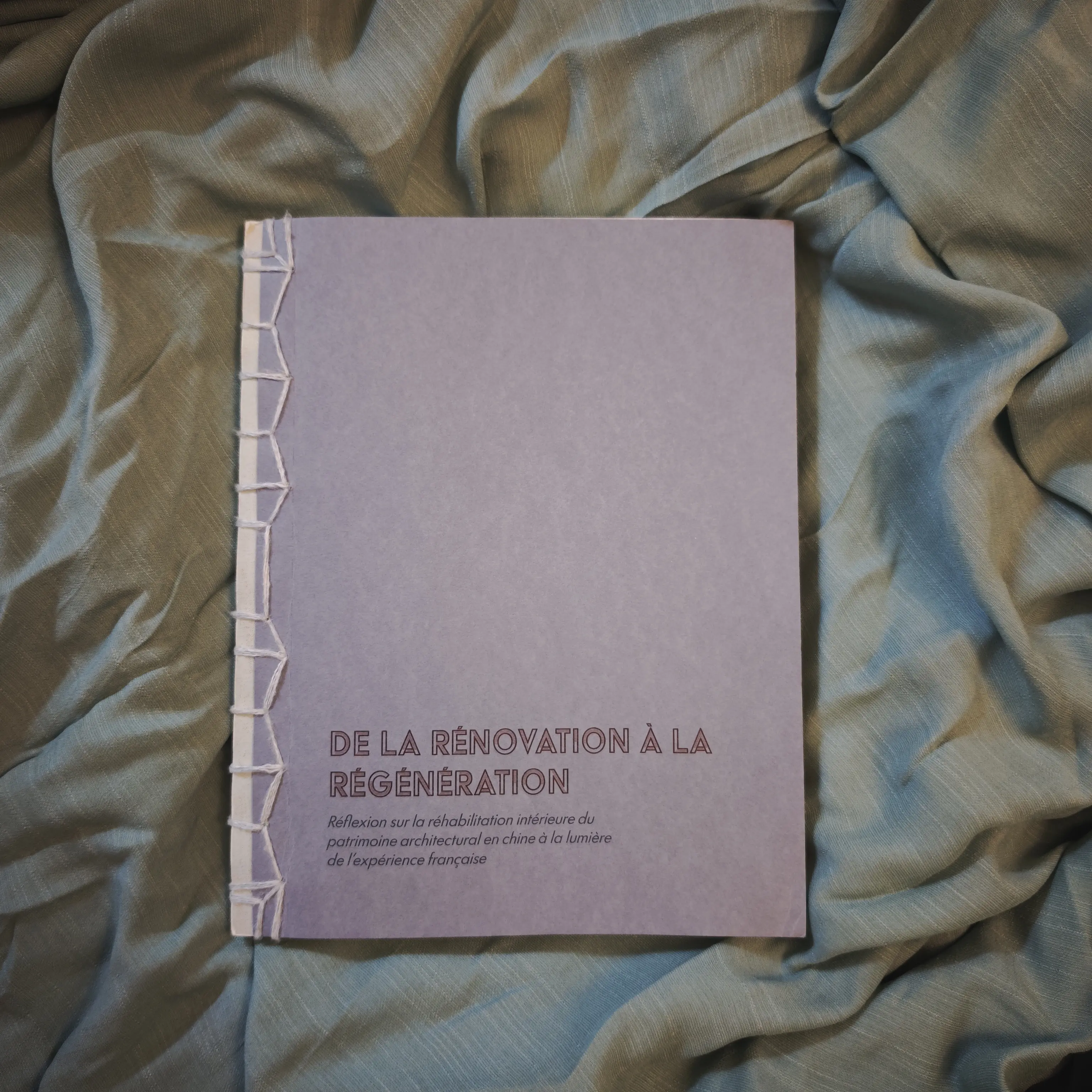
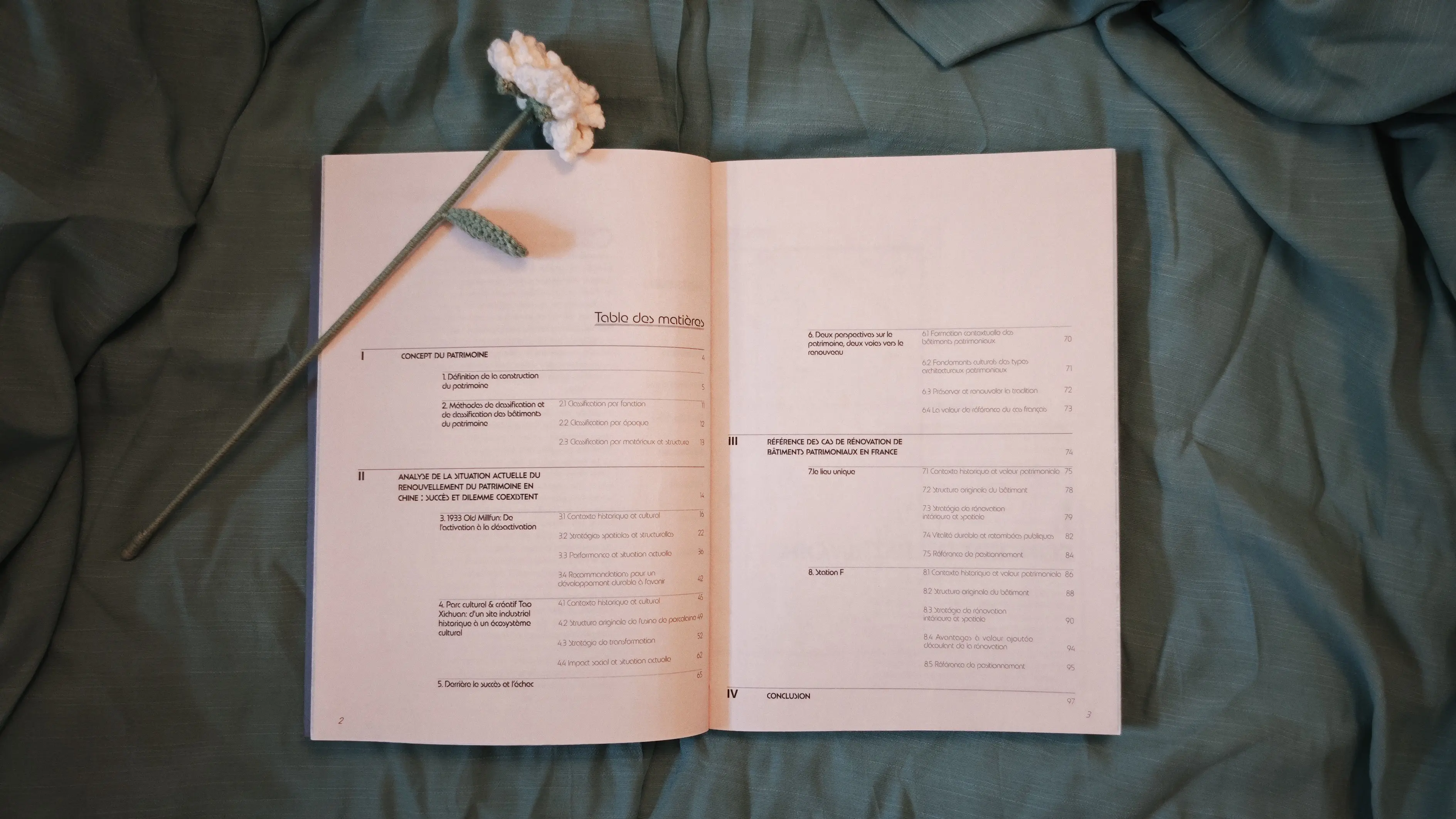
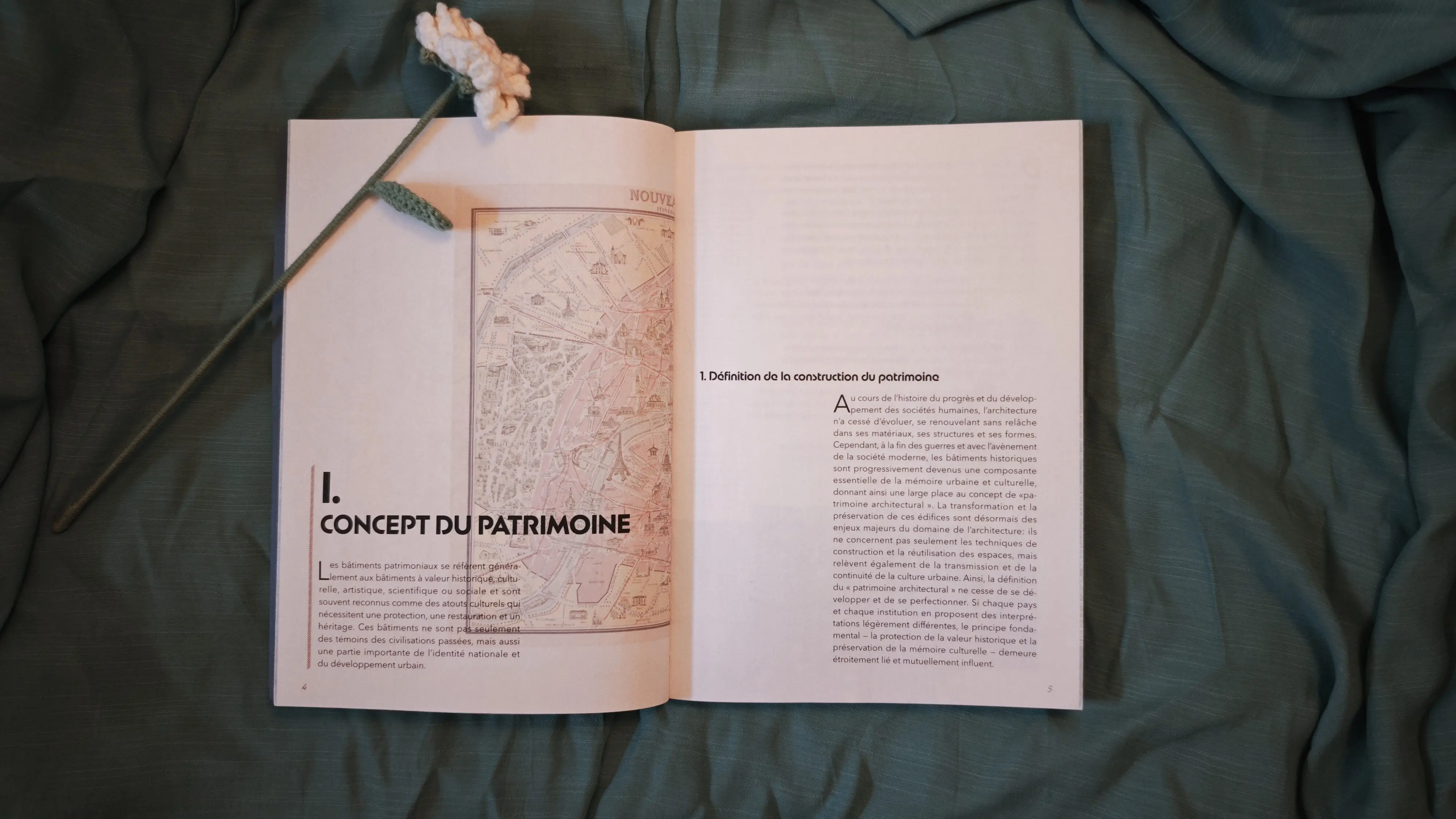
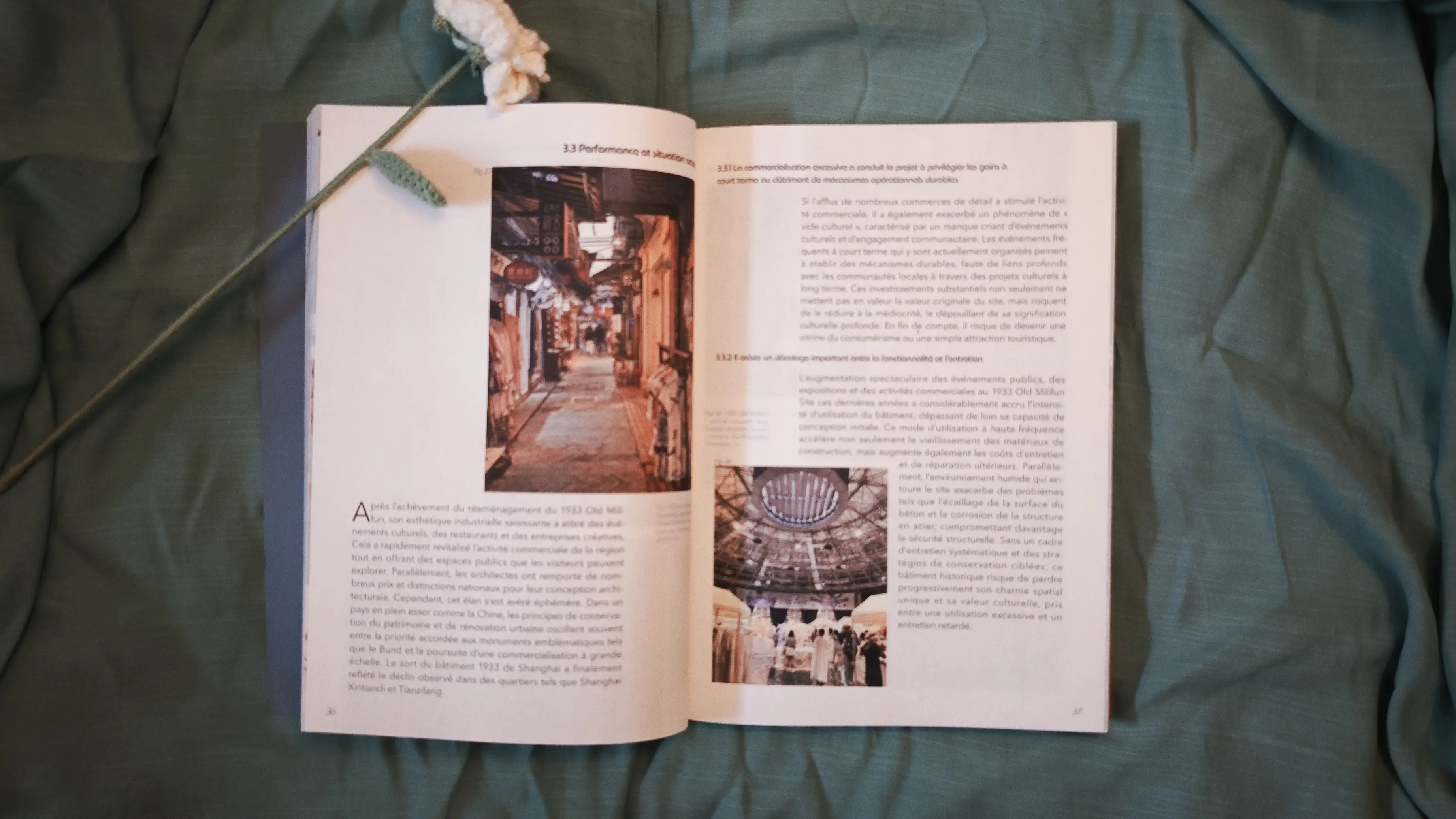
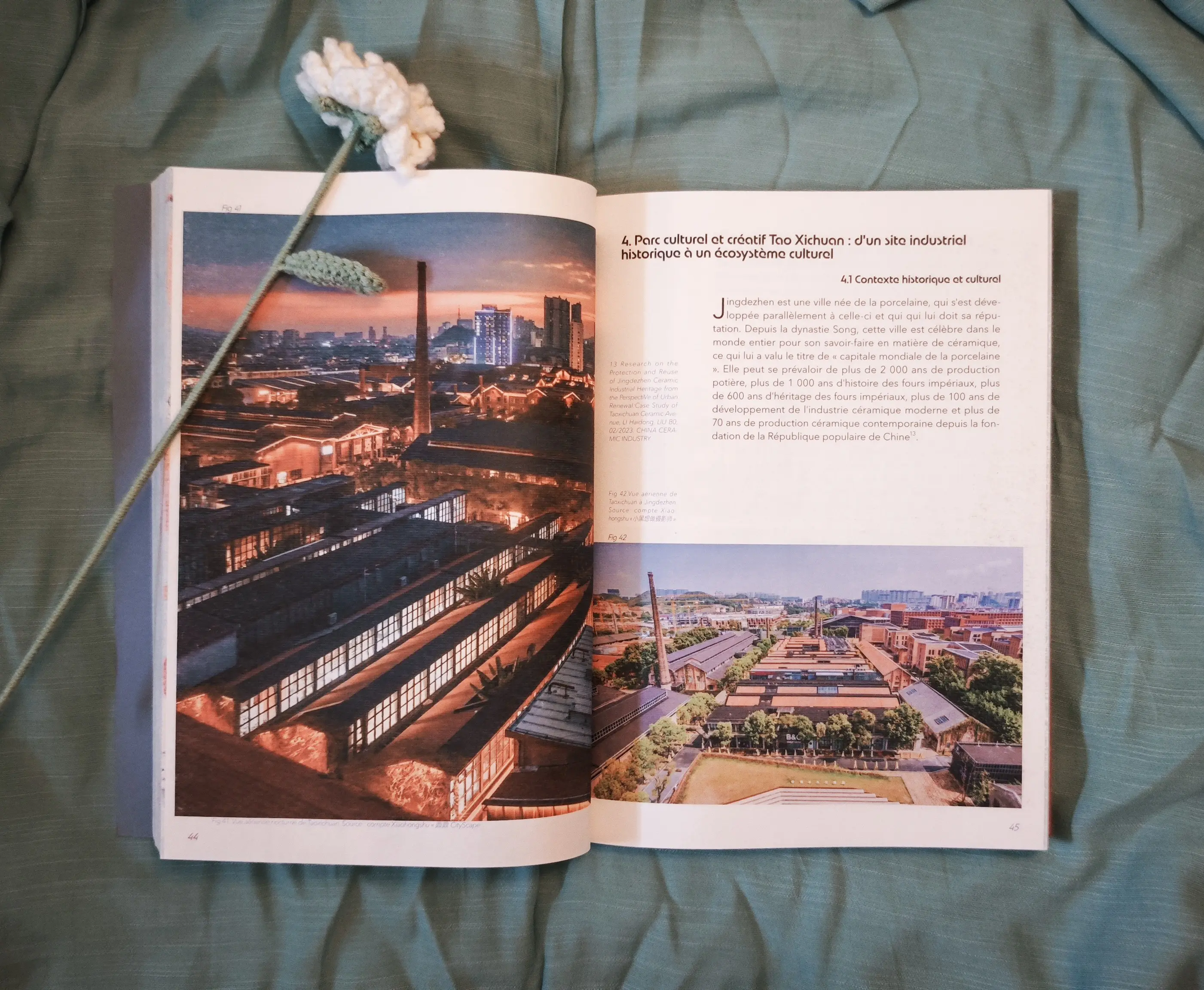
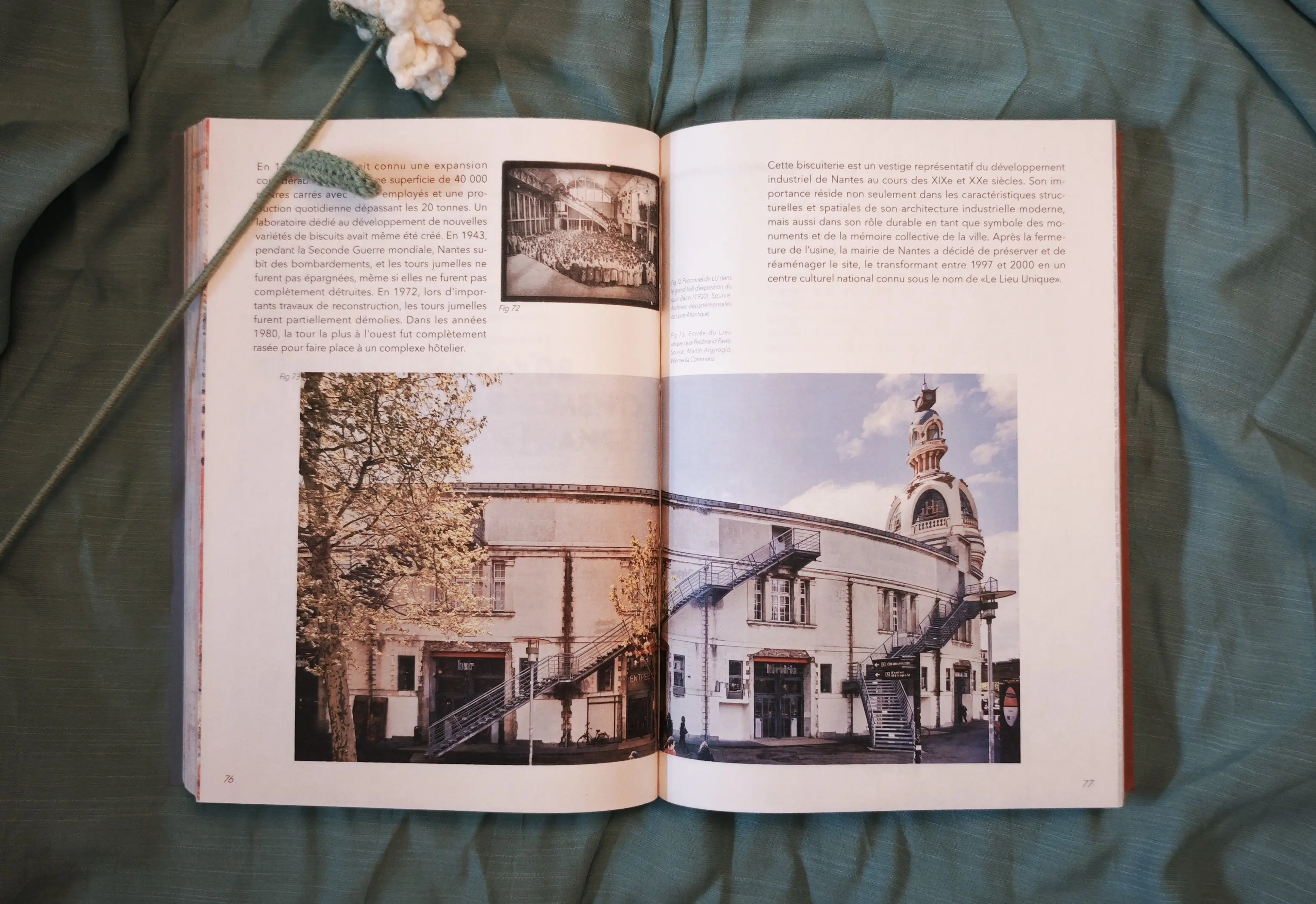
This dissertation analyses the internal rehabilitation of architectural heritage in China in light of French practices. After defining the heritage and presenting the international frameworks, it examines the Chinese challenges of regeneration, between partial successes and structural contradictions. Two case studies in China (1933 Old Millfun, Tao Xichuan) and two in France (Le Lieu Unique, Station F) allow for spatial strategies, legal frameworks and operating models to be compared. The study shows that France favours reversibility, functional continuity and sustainable management, while China combines rapid activation and post-project fragility.