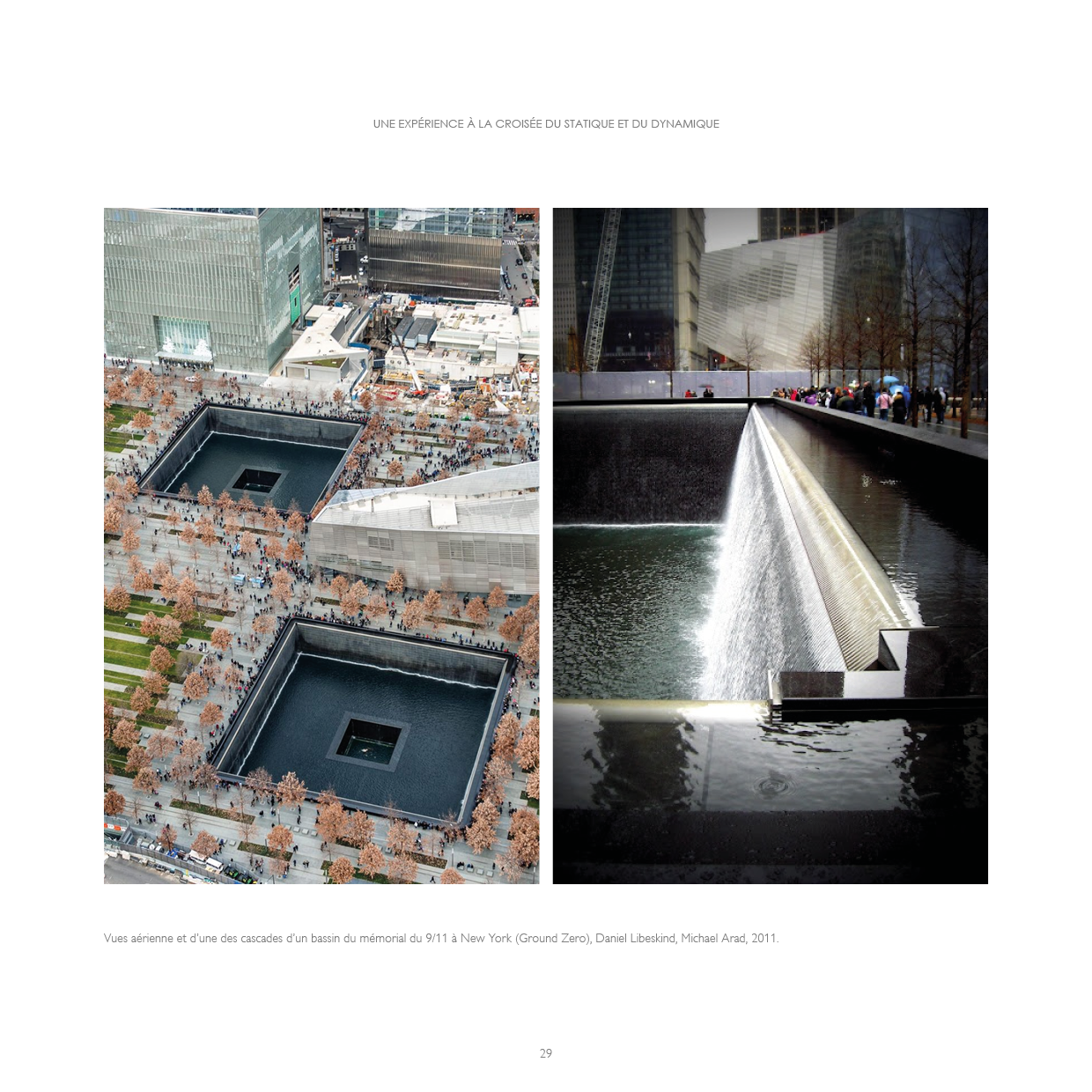
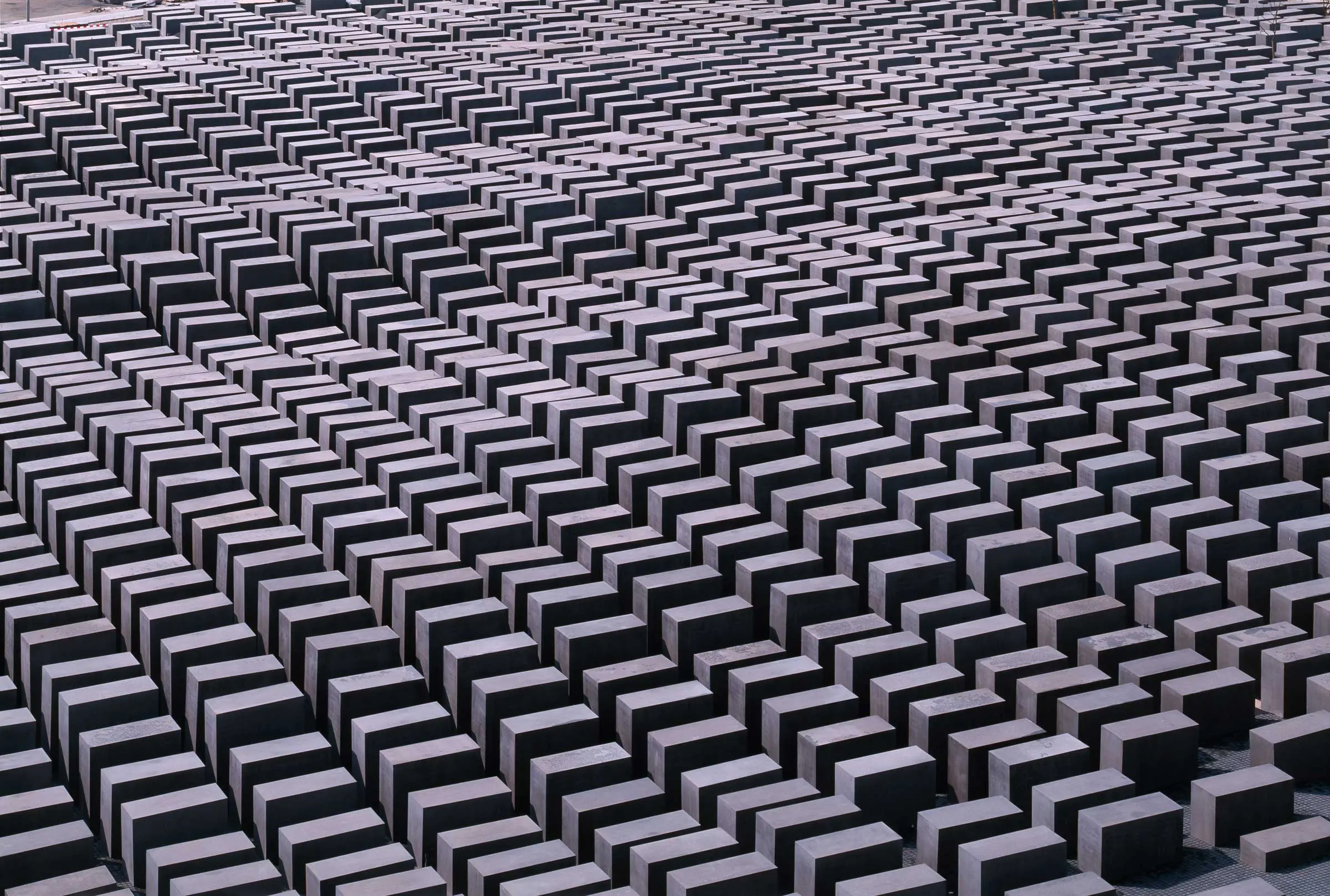
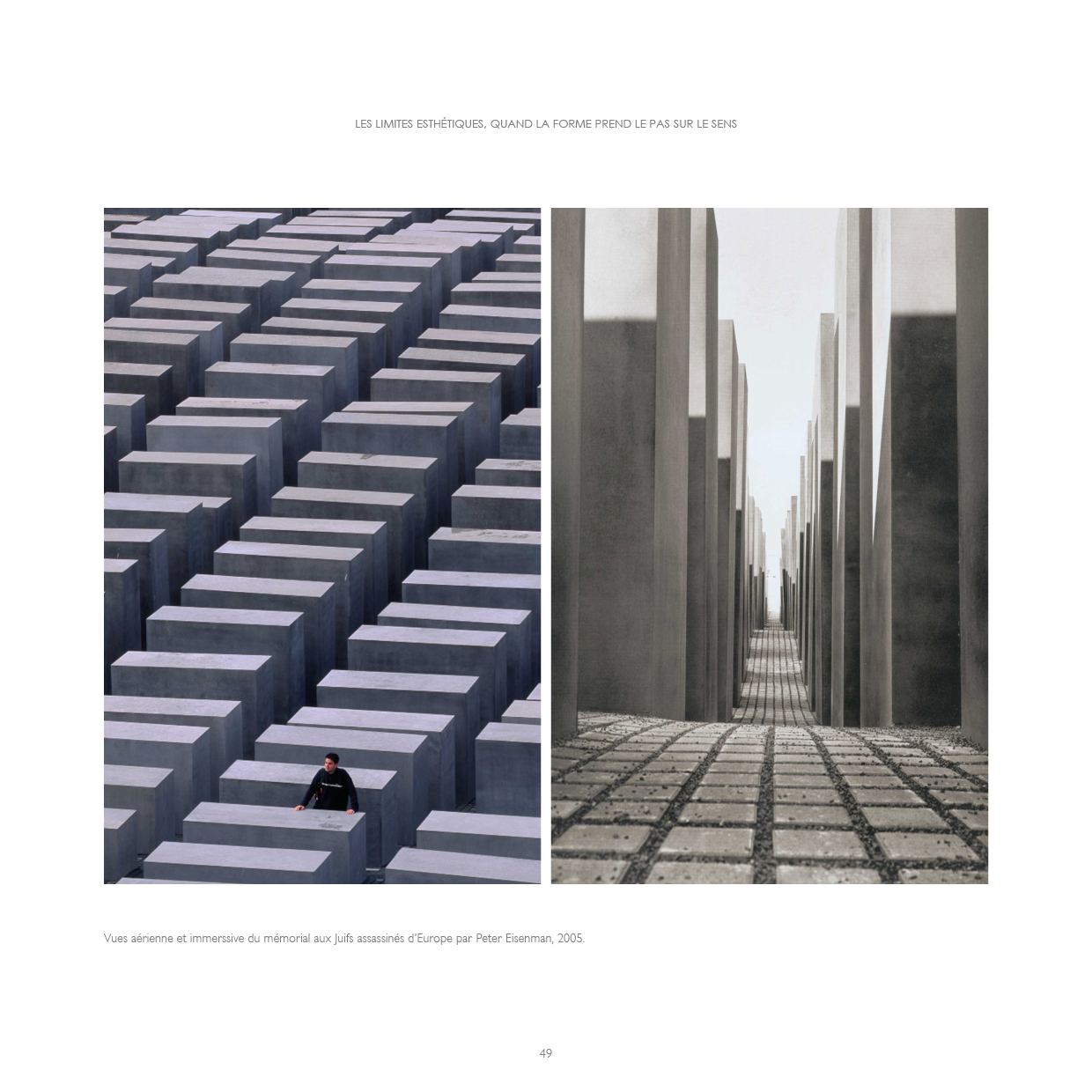
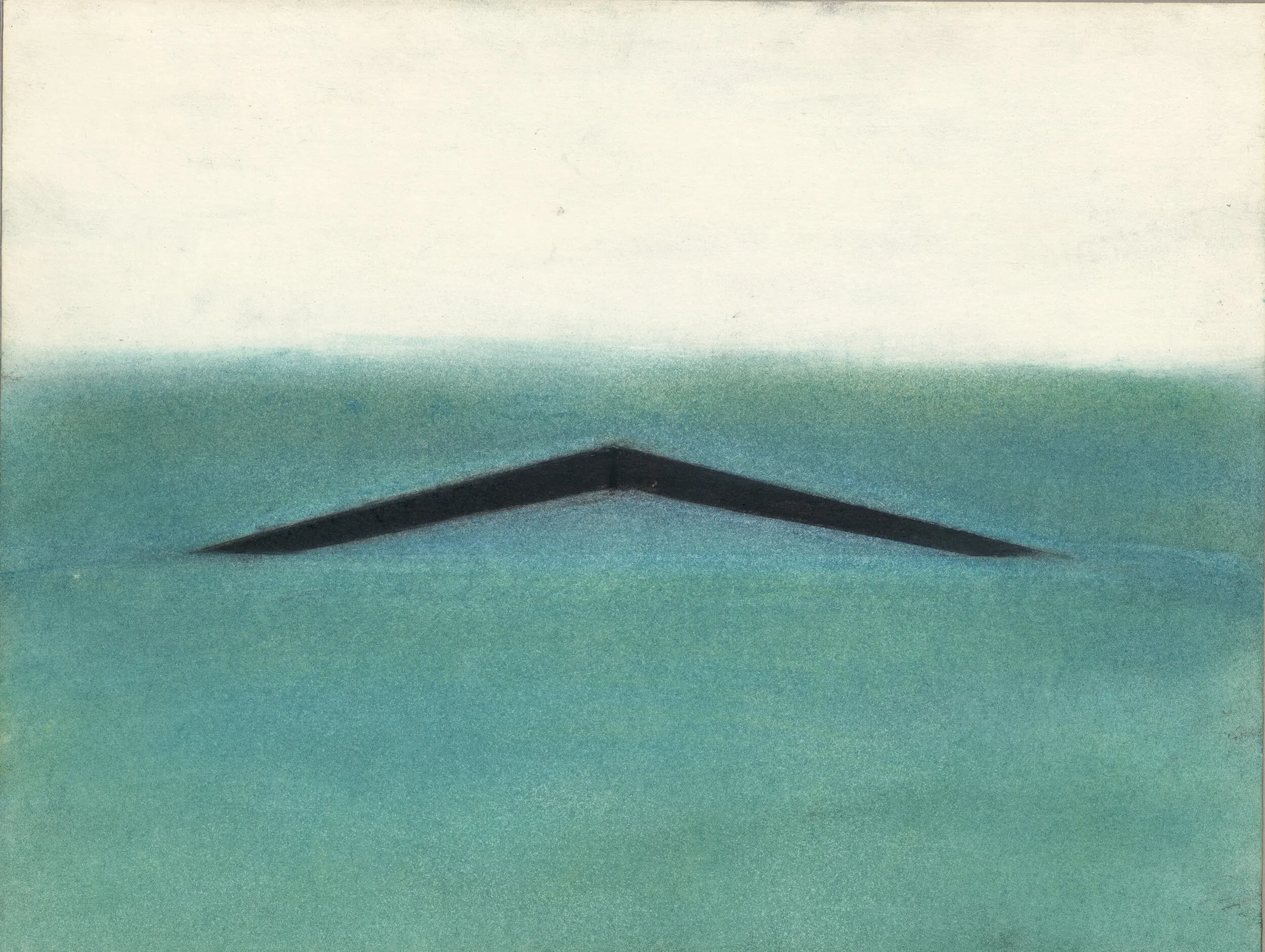
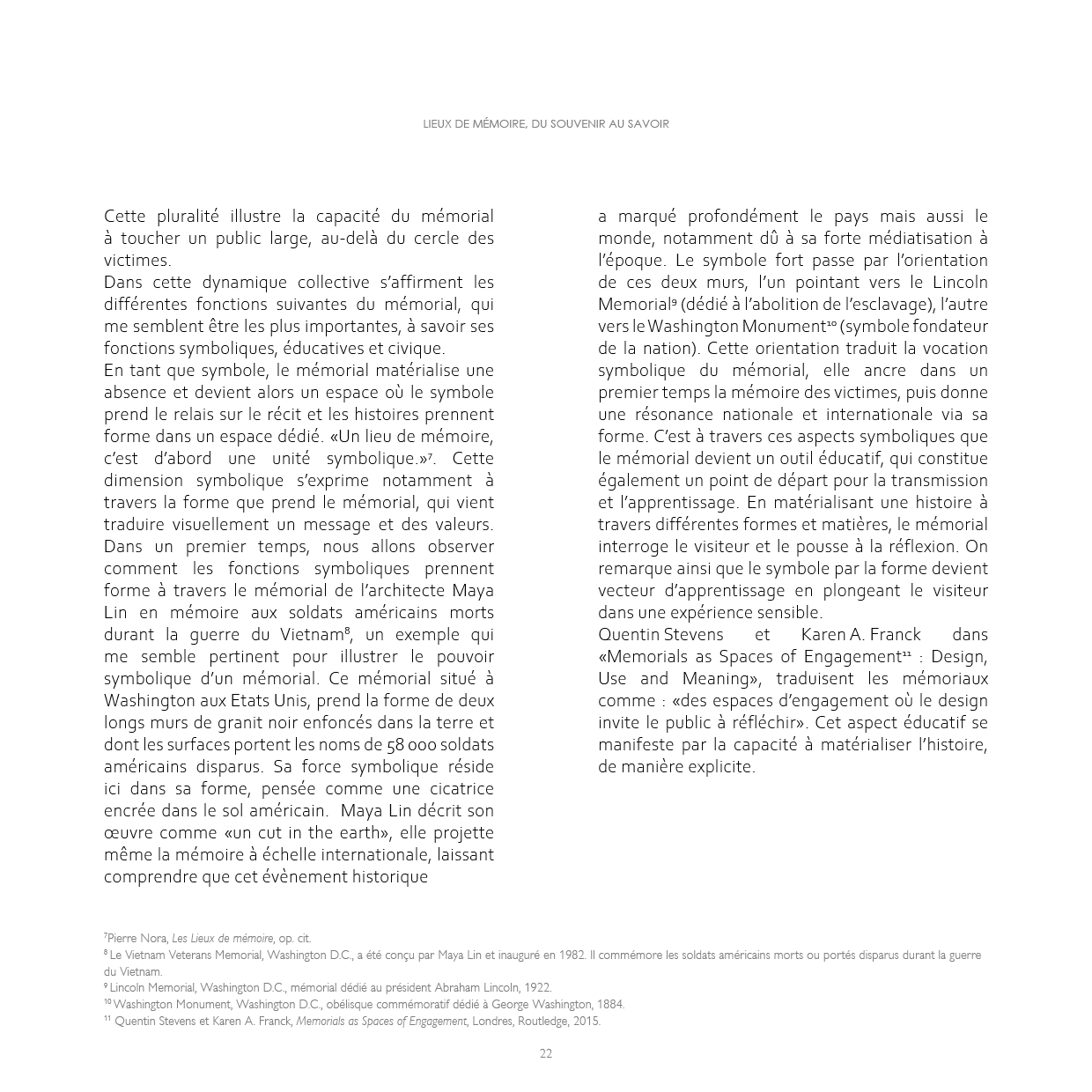
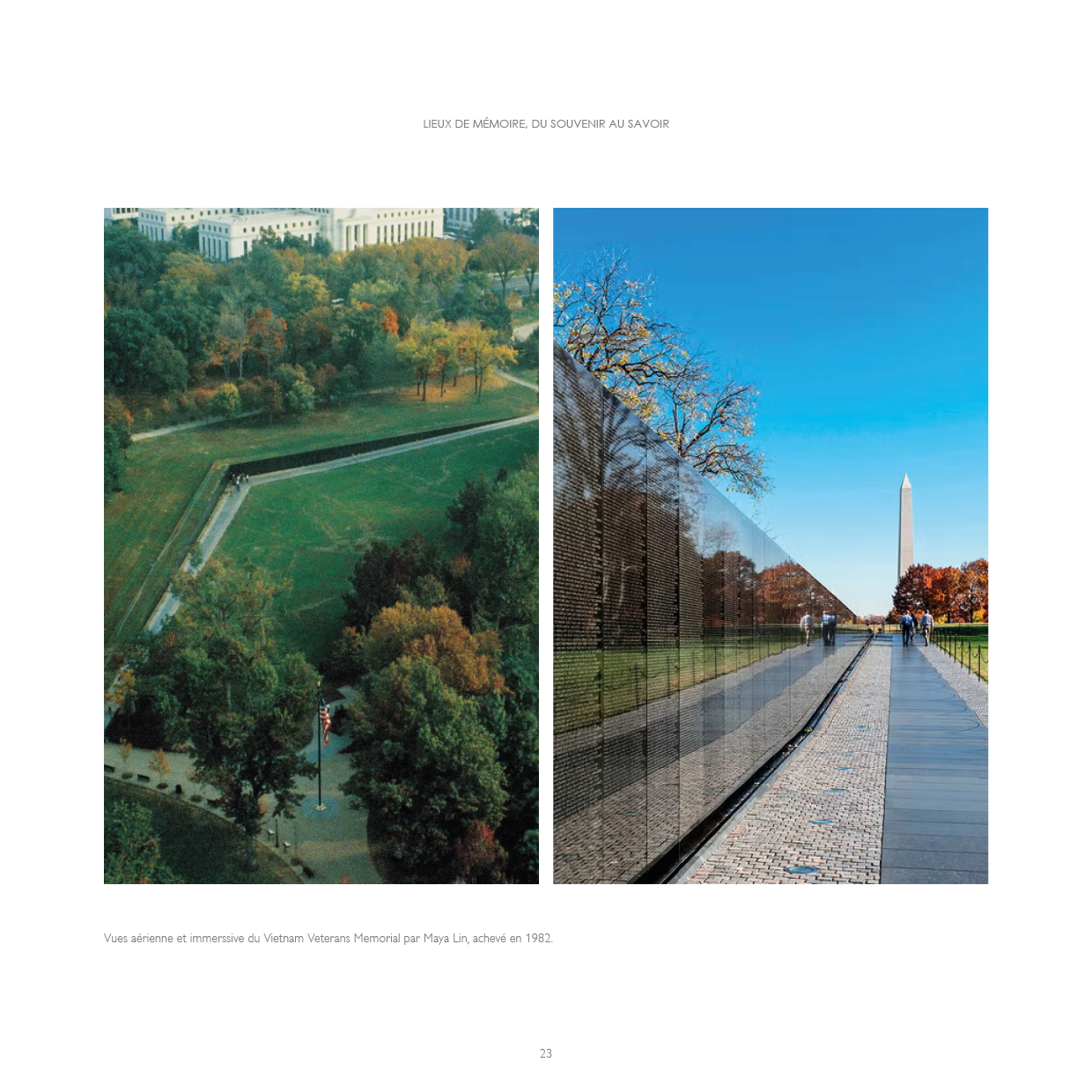
Memorials and memorial museums are spaces where collective memory is developed, by materialising a historical narrative intended to be passed on. Their nature and shape condition this transmission and how the visitor is integrated into the story, through static setups and more dynamic experiences. However, some memorials are controversial when their form or nature seems to deviate from the initial message. I therefore sought to understand how these architectures work on and impact our emotions and means of commemoration, while questioning the central place of architecture in commemorative devices and the possibility of mobilising collective memory through other forms.