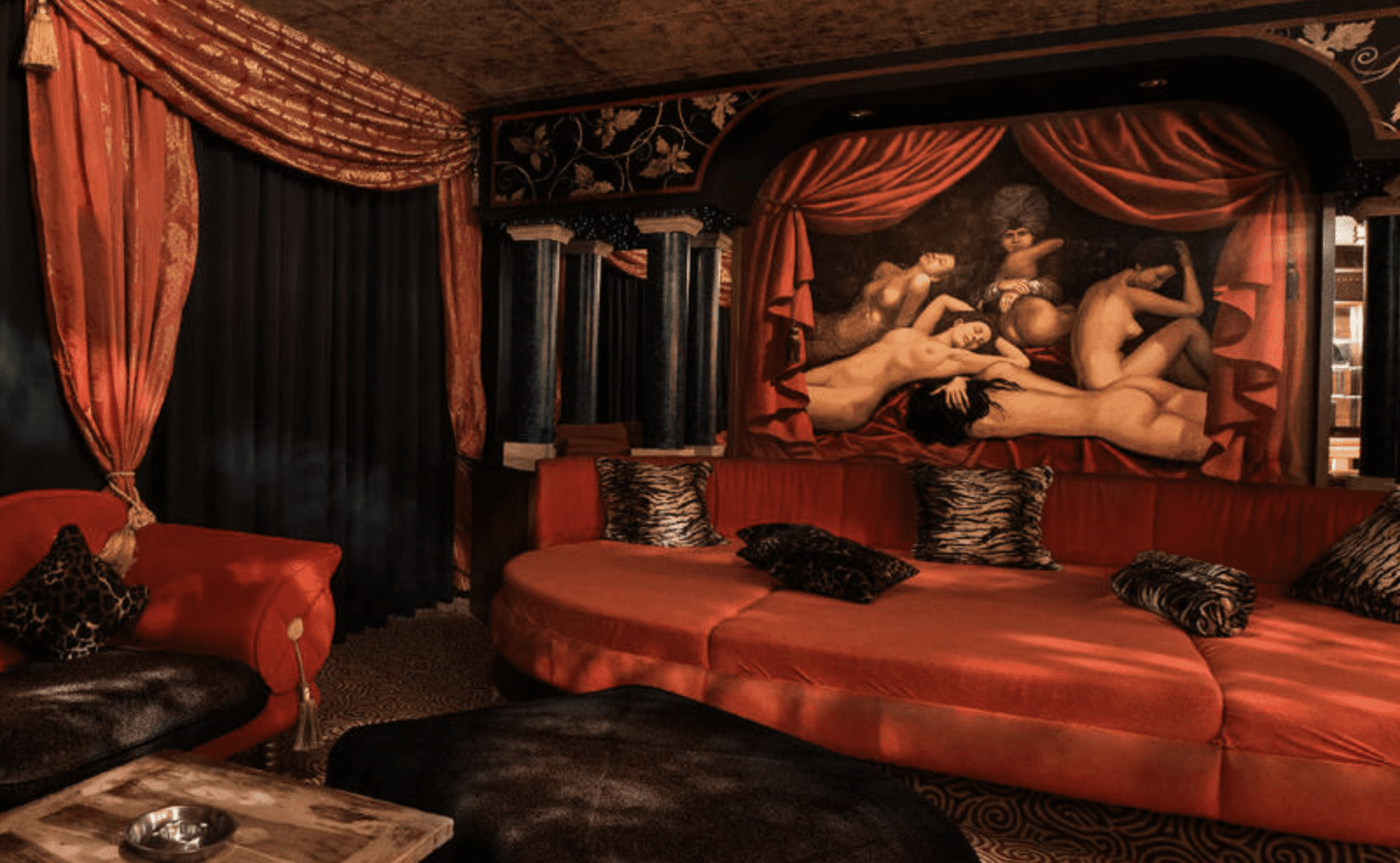
This dissertation questions how the architecture and design of brothels can preserve the dignity and autonomy of sex workers. From Antiquity to Parisian bordellos, this space has long been designed for its guests, by men. Modern analysis of areas such as the German Eros Centre, the Red Light District in Amsterdam or Strichplatz in Zurich demonstrates the complexity of reconciling regulation, urban integration and protection. These examples highlight the need to create safe and value-added spaces. Finally, this dissertation suggests avenues for inclusive design research: filtered access, private rest spaces, adjustable lighting and clear public/private separation, in order to offer a safer and more respectful environment for sex workers.